


When people think about new flooring, most of their attention goes to choosing the right color, texture, or material. But surprisingly, the installation itself plays a much bigger role in how long your floors last and how much money you eventually spend. Unfortunately, myths and shortcuts around flooring installation can lead to squeaks, gaps, buckling, and worst of all, early replacement.
Let’s break down some of the most common installation misconceptions that quietly drain your wallet over time, and what you can do to avoid them.
Why Expansion Gaps Are Ignored
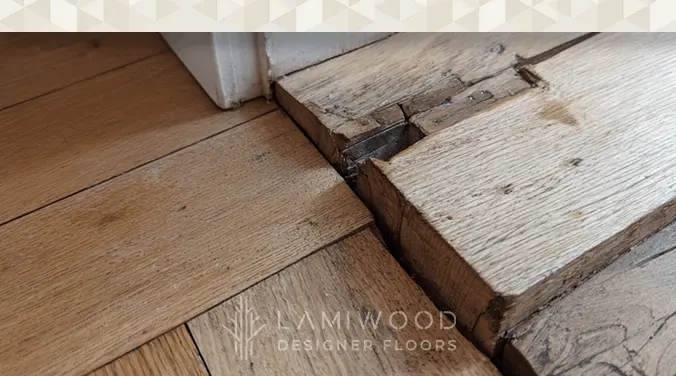
You’d be surprised how often DIY installers or even inexperienced contractors skip proper expansion gaps because they think “a tight fit looks cleaner.” While it does look neat for the first week or two, it’s a huge mistake.
Wood, laminate, vinyl, and even some tile floors expand and contract with temperature and humidity changes. If the flooring is installed tightly against the wall without leaving space to expand, it has nowhere to go this leads to buckling, warping, and boards popping out of alignment.
The worst part? This type of damage usually isn’t covered under manufacturer warranties because it's considered an installation error.
A simple ¼-inch gap around the room can save you thousands. Trim and baseboards cover it anyway, so you're not losing any aesthetic appeal.
Bottom line: Expansion gaps are non-negotiable. Anyone who says otherwise is costing you money.
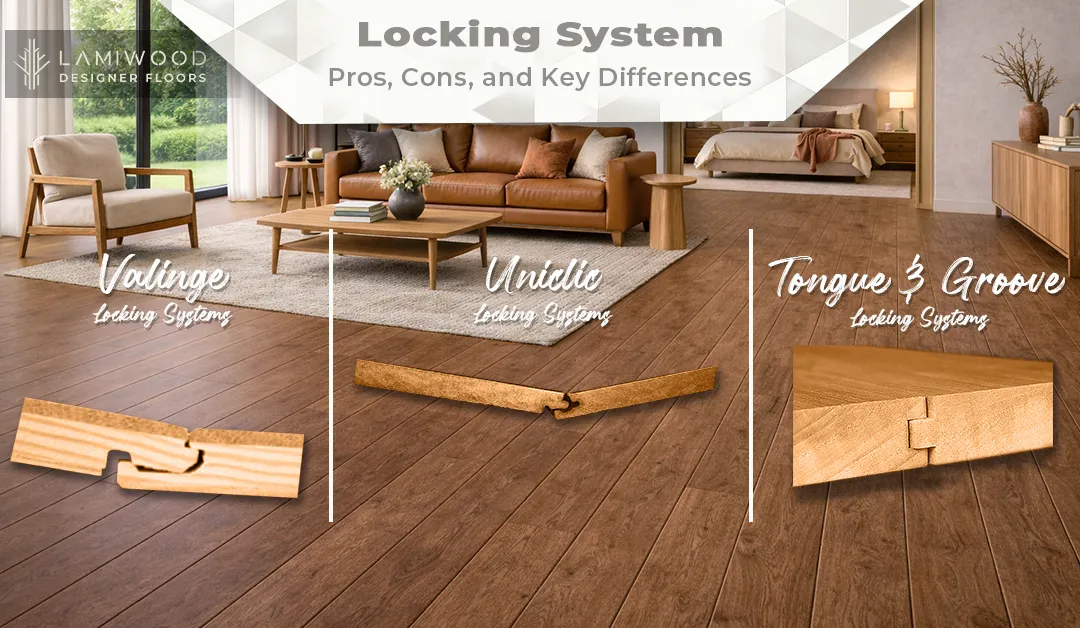
How Locking Systems Affect Longevity
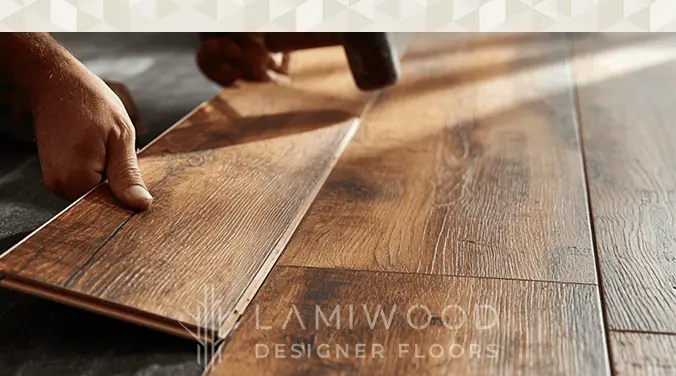
Modern flooring systems, especially laminates and certain vinyl planks, rely on tongue-and-groove or click-lock designs. Many homeowners assume that all locking systems are the same, but that’s far from true.
The quality of the locking mechanism determines how well the planks stay connected over time. Cheaper systems may snap together easily, but they can also separate just as fast with foot traffic. That leads to gaps, uneven surfaces, and that annoying “spongy” feel under your feet.
Even worse, forcing boards together or using incorrect angles during installation can permanently damage the locking profile. Once the lock is compromised, that plank and often several around it will never sit correctly again.
A stronger, more precise locking system means:
- Less shifting
- Fewer gaps
- Longer life expectancy
- Better water resistance
- Less need for repairs
So if you're comparing flooring products, don’t just look at the color and finish. Ask about the locking system. A better one instantly increases the lifespan of your floors.
Why Installation Quality Matters More Than Price
We all love a good deal, but choosing the cheapest installer is one of the fastest ways to ruin a perfectly good flooring investment.
A professional installer doesn’t just lay planks; they understand subfloor preparation, moisture testing, leveling, cutting techniques, transitions, expansion requirements, trim details, and more. These things don’t always show up immediately, but they absolutely show up later.
For example:
- Skipping moisture testing can cause mold or swelling.
- Uneven subfloors lead to creaking and plank separation.
- Incorrect adhesives cause lifting or curling.
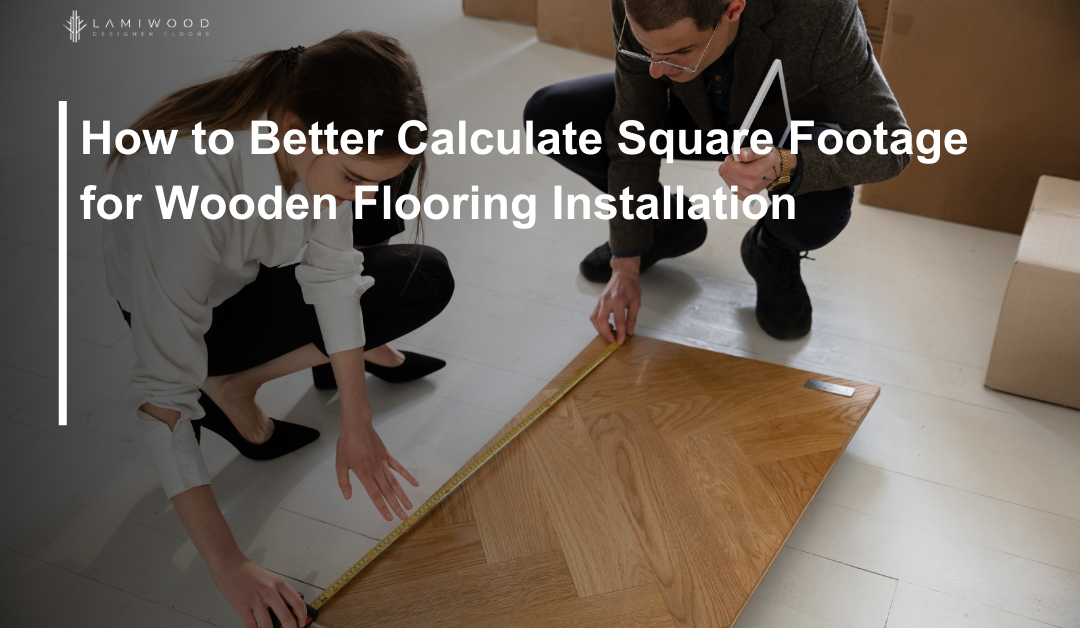
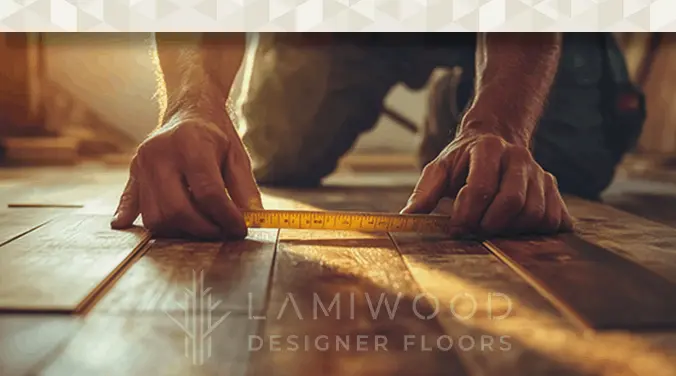
- Poor measurements result in wasted materials or mismatched cuts.
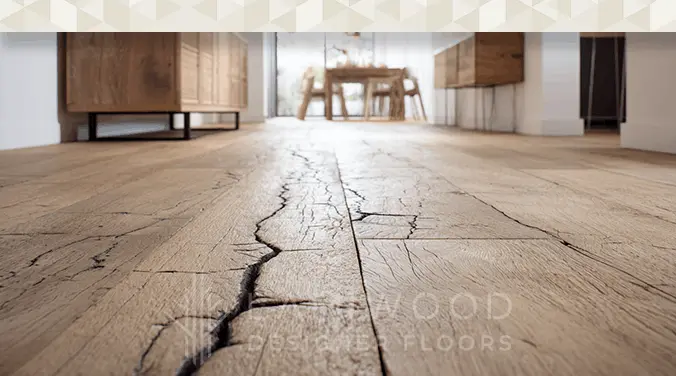
A bad installation can shorten the lifespan of your flooring by years. Paying a little more for a certified, experienced installer almost always costs less in the long run.
Think of it like this: You can buy a luxury car, but if you let an amateur assemble the engine, it won’t matter how good the car was to begin with.
How to Avoid Costly Rework
Reinstalls and repairs can quickly eat up your budget, often costing more than the original installation. Fortunately, you can avoid most rework issues with a few simple habits:
1. Choose the right flooring for the right room.
Putting hardwood in a moisture-prone basement or cheap laminate in a kitchen practically guarantees future problems.
2. Prep the subfloor properly.
A level, clean, moisture-tested subfloor is the foundation of long-lasting floors.
3. Hire certified installers.
Experience matters. Ask to see previous work, reviews, and certifications.
4. Follow manufacturer instructions.
Skipping steps voids warranties. Every flooring product has specific requirements.
5. Don’t rush the process.
Floors need acclimation time. Adhesives need curing. Rushing leads to mistakes.
Additional Hidden Myth: Underlayment Doesn’t Matter
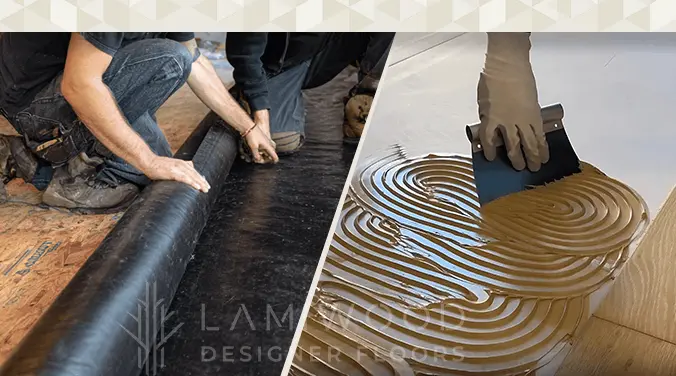
A lot of people think underlayment is “optional” or “just for soundproofing.” Not true. The right underlayment provides stability, moisture protection, and insulation, and it affects how your floor wears over time. Skipping it or choosing the cheapest possible option can cause squeaks, cold spots, and early plank failure.
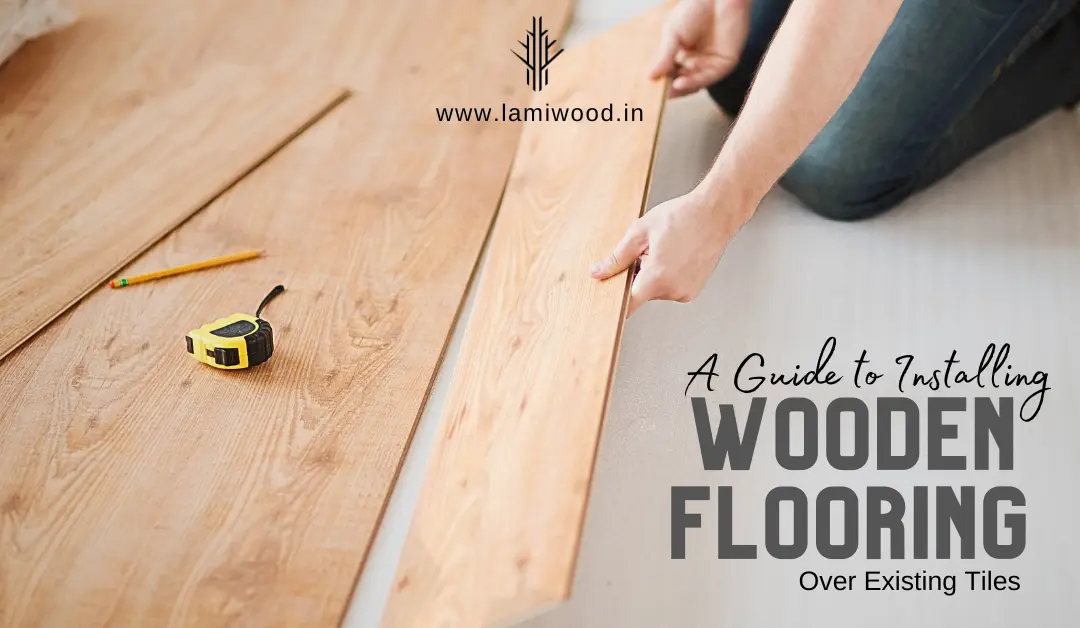
Also Read :- How to Install Wooden Flooring: A Complete Guide
Final Thoughts

Flooring is one of the biggest investments in your home, and installing it correctly is just as important as choosing the perfect style. The myths above might seem small or harmless, but they create long-term problems that cost homeowners far more than they realize.
If you take away one message, let it be this: Good installation isn't an added expense, it's the protection that keeps your flooring beautiful and functional for years.
For a free consultation, reach out at 91+9999500117 Or drop us an email at Info@lamiwood.in