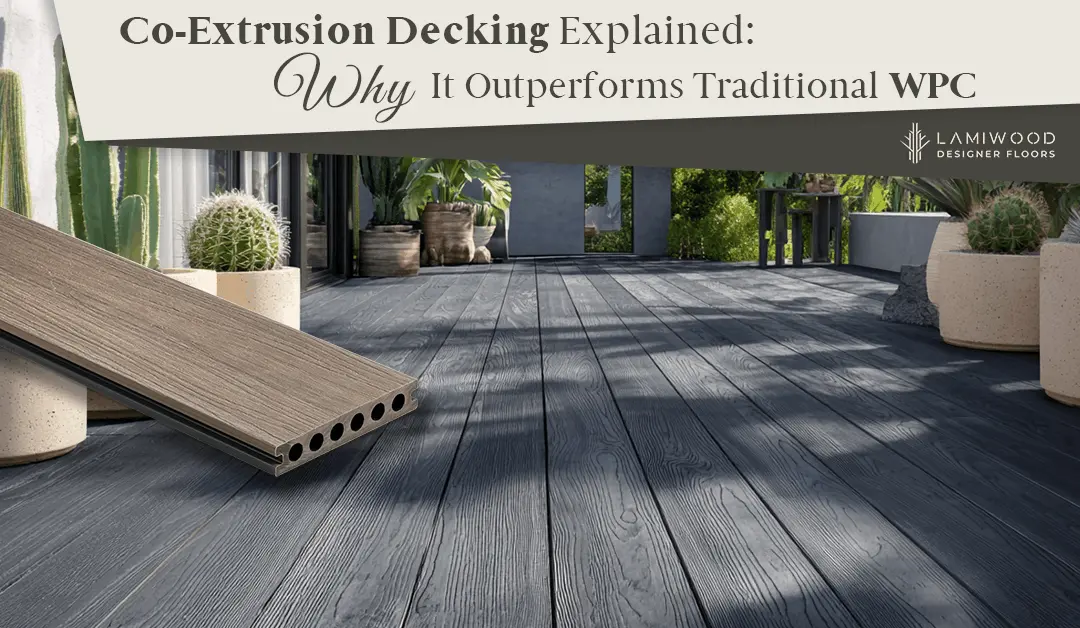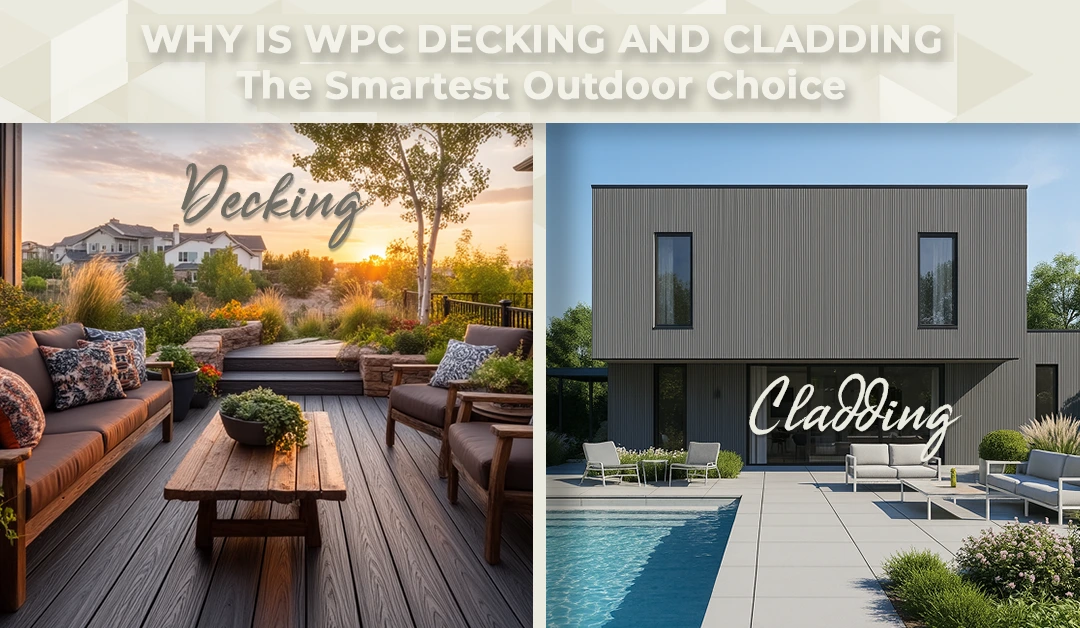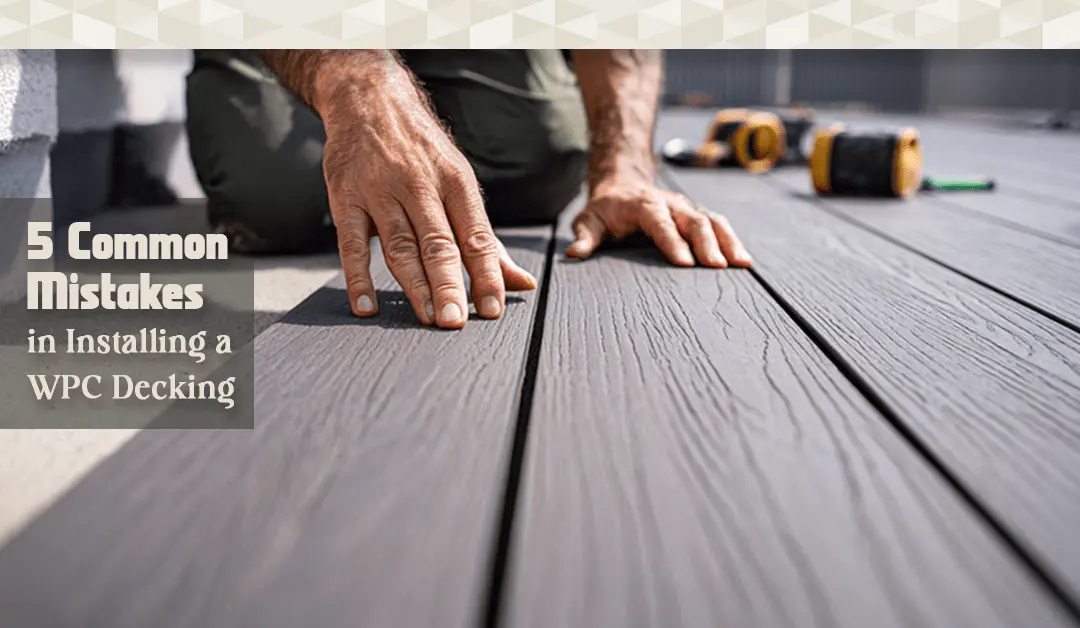
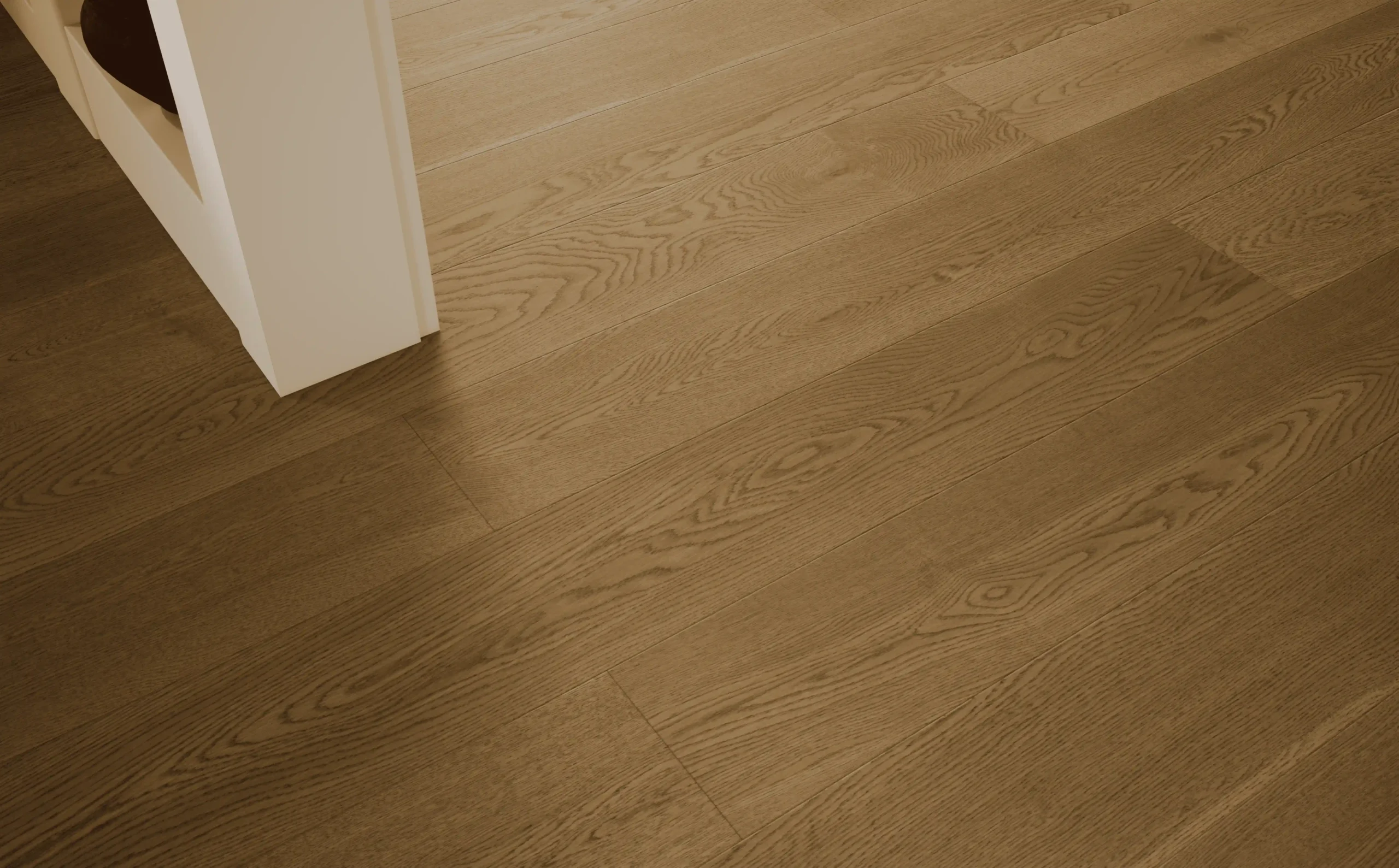
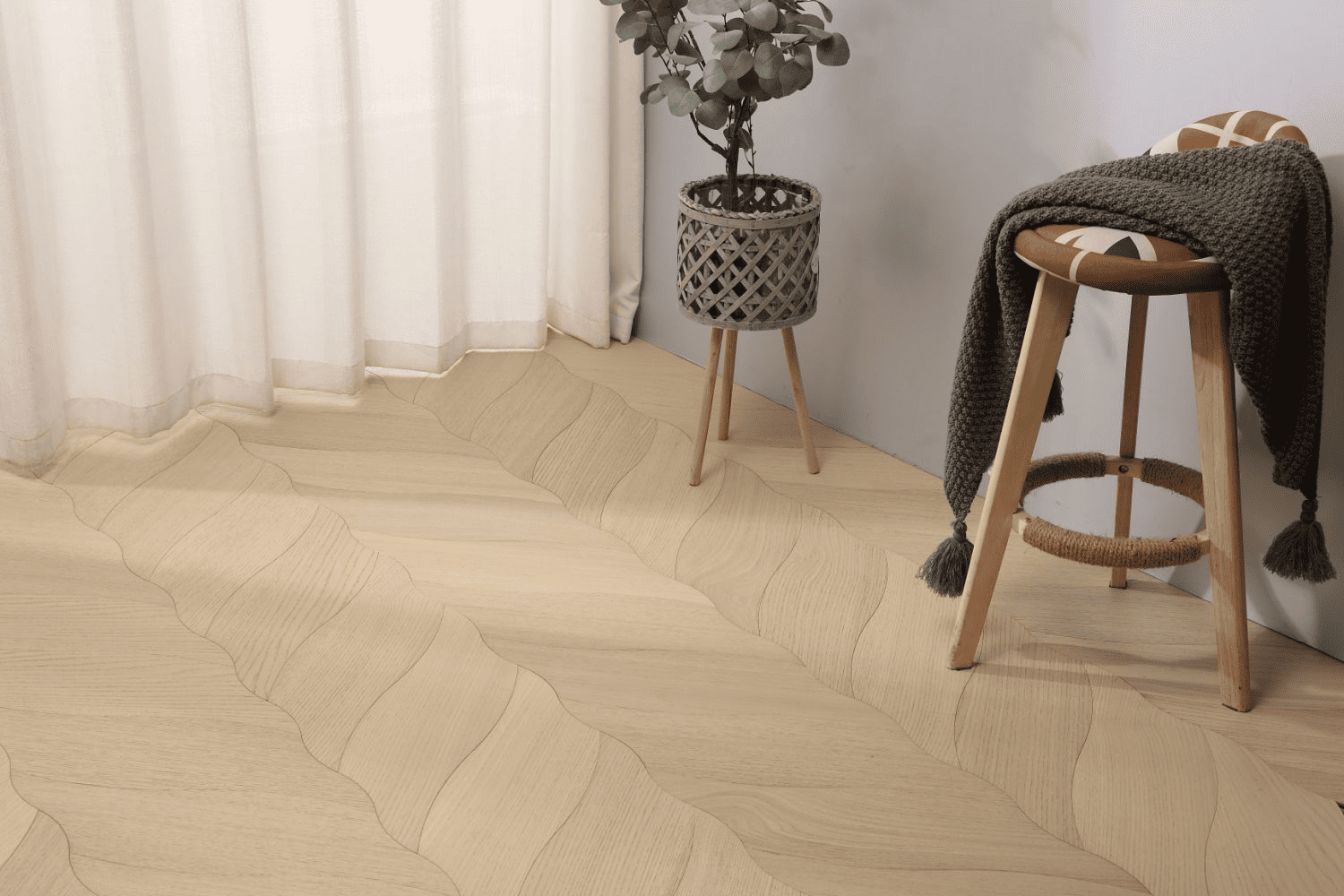
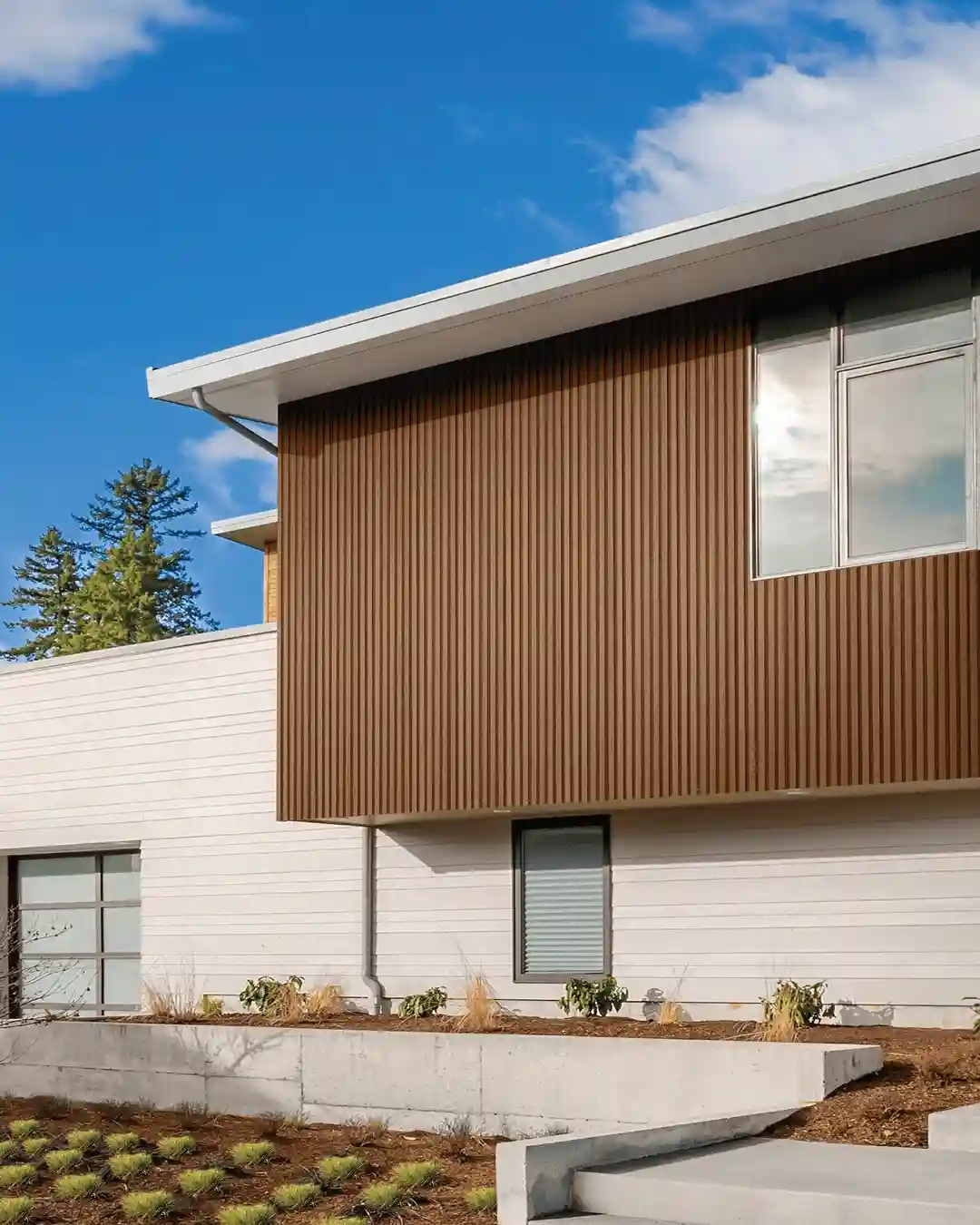
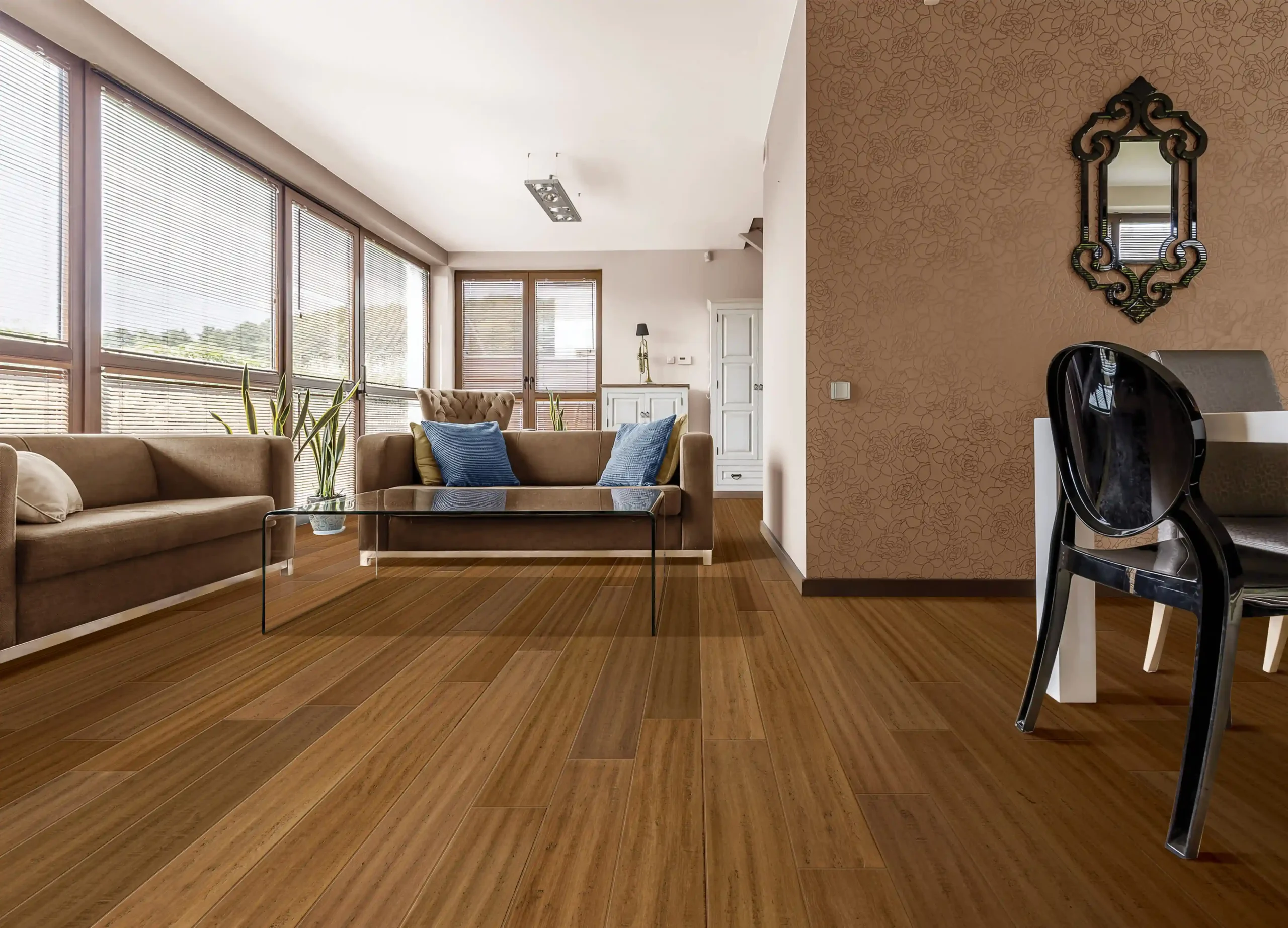


Deck flooring is an outdoor flooring solution designed for spaces such as balconies, terraces, patios, gardens, poolside areas and rooftops. Unlike indoor flooring, outdoor decking has to deal with sunlight, rain, moisture, dust and changing temperatures, so choosing a material involves more than simply picking a colour or wood finish.
Deck flooring is available in different materials, including natural wood, composite, WPC and outdoor-rated tiles. Each option has different requirements when it comes to maintenance, moisture resistance, durability, appearance and installation.
So, what should you look for when choosing deck flooring? The right choice depends on where the flooring will be installed, how much weather exposure it will receive, how frequently the space will be used and how much maintenance you are comfortable with.
What Is Deck Flooring?
Deck flooring is a flooring system designed for outdoor areas where the surface is exposed to everyday outdoor conditions. It can be used on balconies, terraces, patios, gardens, rooftops, poolside spaces and other exterior areas.
Depending on the application, deck flooring may be made from natural wood, composite materials, WPC or outdoor-rated tiles. The best option depends on factors such as moisture exposure, sunlight, foot traffic, maintenance requirements, drainage and the overall look desired for the space.
In simple terms, good deck flooring should not only look attractive. It should also be suitable for the conditions in which it will be installed.
Types of Deck Flooring
1. Wooden Deck Flooring

Ah, the charm of wood! There’s nothing quite like the natural, timeless beauty of outdoor wooden deck flooring.
Why People Love It:
Wooden decks add warmth and character to any space. Additionally, you can stain or paint them to suit your vibe.
Popular Choices:
- Teak Wood: Durable and naturally moisture-resistant.
- Cedar: Lightweight and resistant to decay.
- Ipe Wood: Super tough and long-lasting.
Things to Consider:
Wooden decks require TLC—regular staining, sealing, and the occasional repair. If you enjoy the occasional DIY project, this might just be your thing!
2. Composite Deck Flooring

Are you looking for the wood look but not the upkeep? Meet composite decking!
Why It’s Great:
Composite flooring blends wood fibers and plastic, giving you the look of wood without the high maintenance. It’s resistant to mold, rot, and insects.
The Flip Side:
It can be a bit pricier upfront and may feel hotter under direct sunlight. But if you’re after durability with minimal fuss, it’s worth every penny.
3. WPC Deck Flooring

Here’s a modern favorite: Wood Plastic Composite (WPC) flooring. Think of it as the stylish cousin of composite decking.
Why It Stands Out:
- Water-resistant (perfect for India’s monsoons!).
- Scratch-resistant (hello, kids and pets!).
- Made from recycled materials (eco-friendly bonus!).
Why It’s Popular:
It’s the perfect mix of beauty and performance, giving you peace of mind and a stunning outdoor space.
4. Tile Deck Flooring

Want something sleek and versatile? Tile deck flooring might be the answer.
Why People Choose Tiles:
Tiles come in endless designs, from ceramic to porcelain, letting you go as modern or rustic as you want. They’re easy to clean and offer a polished look.
Watch Out For:
Tiles can get slippery when wet, so be mindful if you live in a rainy area.
How Do Different Deck Flooring Materials Compare?
| Deck Flooring Type | Appearance | Maintenance | Best Suited For |
|---|---|---|---|
| Natural Wood | Authentic and warm | Higher | Premium outdoor spaces where natural character is important |
| Composite | Wood-inspired and consistent | Lower | Homeowners looking for a wood-like appearance with less upkeep |
| WPC | Wood-inspired and contemporary | Generally low | Outdoor areas where moisture exposure and easy maintenance are important |
| Outdoor Tiles | Wide range of colours and patterns | Generally low | Modern terraces, patios and spaces where a tile finish is preferred |
There is no universally “best” material. The better choice is the one that matches the site's weather exposure, usage, maintenance expectations and design requirements.
Important: Don't make absolute claims such as “WPC is waterproof” or “composite never needs maintenance.” Product construction and specifications differ. The current article makes some broad claims that should be softened for accuracy.
What About Texture?
Have you thought about how your deck flooring feels underfoot? The texture plays a huge role!
- Smooth Textures: These are sleek and modern but can be slippery when wet.
- Grooved Textures: They offer better grip, making them ideal for outdoor areas.
- Rustic Textures: These mimic aged wood or stone, giving your deck a natural vibe.
Read More: 5 Modern Wooden Flooring Textures
How Is Deck Flooring Different From Regular Outdoor Flooring?
Outdoor flooring is not only about the visible surface. A decking system also needs to work with the conditions underneath it.
Depending on the product and site, an outdoor decking installation may involve deck boards, a supporting substructure, clips or fasteners, appropriate spacing and provisions for water drainage and ventilation.
This is why the installation method matters almost as much as the decking material itself. A product that is suitable for outdoor use still needs to be installed according to the manufacturer's recommendations and the conditions of the site.
Before choosing a deck flooring material, it is worth checking:
- What type of base or substructure is required?
- How will rainwater drain away?
- Is adequate ventilation possible below the decking?
- What spacing or expansion allowance is recommended?
- Which clips, fasteners or accessories are required?
A good outdoor flooring decision considers the complete system, not just the board or tile visible from above.
Which Deck Flooring Material Is Best for Your Space?
The right deck flooring material depends less on a simple “best” label and more on how the space will be used.
For a natural appearance: Natural wood offers authentic grain, warmth and character, but it generally requires more ongoing care.
For lower routine maintenance: WPC and composite options can be considered when reduced upkeep is a priority, subject to the product's specifications.
For a contemporary look: Outdoor tiles offer a wide variety of colours, patterns and surface finishes.
For areas exposed to frequent moisture: Look for products specifically designed and tested for outdoor conditions, and pay close attention to drainage and installation requirements.
For high-use areas: Consider durability, surface performance, slip resistance where relevant, warranty and the expected level of foot traffic before making a decision.
The best decking choice is therefore a balance between appearance, performance, maintenance and site conditions.
Things to Think About Before Choosing Your Deck Flooring
Choosing the right material isn’t just about looks. Here are some practical factors to keep in mind:
1. How should natural wood decking be maintained?
Natural wood generally needs more attention than low-maintenance decking materials. Regular cleaning can help remove dirt and debris, while periodic sealing or staining may be recommended depending on the wood species, finish and manufacturer's instructions.
2. Climate and Weather Conditions
Do you live in a humid, rainy area? Or is your deck baking under the sun all year?
- Humid Climates: WPC and composite decking are water-resistant champs.
- Dry Climates: Wood works well but might need extra care to prevent cracking.
What Should You Consider About Indian Weather?
Outdoor flooring in India can experience very different conditions depending on the location. A terrace in a hot, sunny city may face intense UV exposure and surface temperatures, while a coastal or monsoon-prone location may experience high humidity and frequent moisture.
Before selecting deck flooring, consider:
- Sun exposure: Prolonged direct sunlight can affect the appearance and surface temperature of outdoor materials.
- Rain and moisture: Areas exposed to monsoon rain need suitable moisture performance and effective drainage.
- Humidity: High humidity makes ventilation and moisture management particularly important.
- Temperature changes: Outdoor materials should be selected with the site's temperature conditions and the manufacturer's recommendations in mind.
- Dust and debris: Terraces and gardens may require more frequent cleaning than covered balconies.
Instead of choosing a decking material based only on appearance, consider the actual conditions the flooring will face throughout the year.
3. Maintenance Requirements
Are you a fan of low-maintenance options? Composite and WPC flooring are perfect for you. If you love the idea of customizing your deck over time, wood’s flexibility will appeal to you.
Does Deck Flooring Need Proper Drainage?
Yes. Water management is an important part of any outdoor flooring installation.
Rainwater should have a suitable path to drain away rather than remaining trapped on or beneath the decking. Depending on the site and installation system, this may involve appropriate slope, spacing between boards, drainage channels or a properly designed substructure.
Poor drainage can contribute to prolonged moisture exposure and may affect both the flooring and the supporting structure over time.
For balconies, terraces and poolside areas, drainage should therefore be considered during the planning stage rather than treated as an afterthought.
What Is the Difference Between Natural Wood and WPC Decking?
Natural wood and WPC can both create a wood-inspired outdoor look, but they offer different ownership experiences.
Natural wood provides genuine timber grain and a naturally varied appearance. It can develop character over time, but outdoor exposure means it generally requires regular cleaning and periodic protective treatment.
WPC decking combines wood-based material with polymers to create an outdoor decking product. Depending on the specific construction and specification, it can offer resistance to moisture and everyday outdoor exposure while generally requiring less routine maintenance than natural timber.
The decision comes down to priorities. If authentic natural material and the ability to refinish the surface are important, wood may be appealing. If lower routine maintenance and consistent appearance are higher priorities, WPC may be worth considering.
The product specification should always be checked rather than assuming that every WPC or wood decking product performs in exactly the same way.
4. Appearance and Aesthetics
- For a natural look, nothing beats wooden deck flooring.
- Prefer a clean, modern style? Composite or tile flooring might be your match.
- Love something in between? WPC balances practicality and aesthetics.
5. How should WPC or composite decking be maintained?
These materials generally require less routine maintenance than natural wood, but they still need regular cleaning. Dust, leaves and spills should not be allowed to accumulate, and the manufacturer's cleaning instructions should be followed.
What should be checked regularly?
Regardless of the material, inspect the deck periodically for:
- Loose or damaged boards
- Damaged fasteners
- Blocked drainage
- Standing water
- Surface damage
- Debris collecting between or underneath boards
Prompt attention to small issues can help prevent them from becoming larger maintenance problems.
How Much Does Deck Flooring Cost?
The cost of deck flooring varies considerably because the final project price depends on more than the flooring material itself.
The main factors include:
- Type of decking material
- Product thickness and profile
- Surface finish and design
- Total area
- Existing site condition
- Substructure requirements
- Installation method
- Clips, fasteners and other accessories
- Edge finishing
- Labour and site preparation
For this reason, comparing products only by their price per square foot can sometimes give an incomplete picture. A lower material cost may not necessarily mean a lower project cost if the installation system, supporting structure or maintenance requirements are different.
For an accurate estimate, it is better to evaluate the complete installed system and the expected maintenance over its useful life.
What Does a Complete Deck Flooring Installation Include?
A decking project involves more than selecting the visible flooring surface. Depending on the site, a complete installation may include:
- Site assessment: Checking the existing surface, levels, drainage and installation conditions.
- Substructure: Providing the appropriate supporting framework where required.
- Decking boards or tiles: Installing the selected outdoor flooring material.
- Fixing system: Using the recommended clips, fasteners or installation accessories.
- Edge finishing: Completing exposed edges and transitions for a neat appearance.
- Final inspection: Checking alignment, fixing, drainage and overall finish.
Understanding these components can make it easier to compare quotations because two decking prices may not include the same scope of work.
What Are the Common Mistakes to Avoid When Choosing Deck Flooring?
Choosing outdoor flooring based only on appearance or the initial price can lead to problems later. A few common mistakes are worth avoiding.
1. Choosing only by appearance
A beautiful finish is important, but outdoor flooring also needs to match the site's weather and usage conditions.
2. Ignoring drainage
Even a suitable outdoor product needs proper water management. Check how rainwater will drain before installation.
3. Comparing only the material price
Installation, substructure, accessories and site preparation can significantly affect the final project cost.
4. Overlooking maintenance requirements
Natural wood, WPC, composite and tiles do not all require the same level of care.
5. Ignoring sunlight exposure
An uncovered terrace and a shaded balcony can place very different demands on the flooring.
6. Assuming all products perform the same
Products within the same material category can differ in construction, finish, testing and performance. Always check the manufacturer's specifications.
7. Choosing without considering foot traffic
A private balcony and a commercial outdoor space may require different performance characteristics.
Where Can Deck Flooring Be Used?
Deck flooring can be used in a wide range of outdoor spaces, provided the selected product and installation system are suitable for the application.
Can deck flooring be used on balconies?
Yes. Decking can help create a warmer, more finished appearance on balconies. The existing surface, drainage and available installation height should be checked first.
Can it be used on terraces?
Yes. Terraces require particular attention to sunlight, rainwater drainage and long-term outdoor exposure.
Is it suitable for poolside areas?
Certain outdoor decking products can be suitable for poolside applications, but moisture exposure, surface grip and drainage become especially important considerations.
Can it be used in gardens?
Yes. Decking can be used for seating platforms, pathways, outdoor dining areas and transitions between indoor and garden spaces.
Can it be used in commercial spaces?
It can be, provided the selected product is appropriate for the expected foot traffic and commercial application. Product specifications and warranty conditions should be checked before installation.
How Do You Choose the Right Deck Flooring for Your Space?
Start with the space rather than the material.
If the area receives strong direct sunlight, prioritise products designed for outdoor exposure and check their UV-related specifications.
If the area receives frequent rain or moisture, look closely at moisture performance, drainage and installation requirements.
If low maintenance is important, compare WPC and composite options with natural wood based on the manufacturer's maintenance recommendations.
If natural character is the priority, natural wood may offer the appearance and material experience you are looking for, provided you are prepared for its maintenance requirements.
If the area has high foot traffic, consider durability, surface performance, slip resistance where relevant and warranty coverage.
And if the project has a specific design requirement, compare colours, textures, profiles and installation patterns before making the final selection.
In other words, the right deck flooring is not simply the material with the longest list of features. It is the material that fits the conditions, use and maintenance expectations of the space.
What Should You Ask a Deck Flooring Supplier Before Buying?
Before finalising an outdoor decking product, ask a few practical questions:
- Is the product designed for uncovered outdoor use?
- How does it perform under prolonged sunlight and moisture exposure?
- What maintenance does it require?
- What type of substructure is recommended?
- Which clips and fasteners are required?
- How is water drainage handled?
- Is the surface slip resistant?
- What warranty is provided?
- Does the warranty cover residential and commercial applications?
- Are replacement boards or matching accessories available?
- What is included in the installation quotation?
Final Thoughts
Deck flooring can transform a balcony, terrace, patio, garden or other outdoor area, but the right choice depends on more than appearance.
Consider the material, weather exposure, drainage, foot traffic, maintenance requirements, installation system and total project cost before making a decision. Natural wood can offer authentic character, while WPC, composite and outdoor tiles can provide different combinations of performance, appearance and maintenance requirements.
The goal is not to find one material that is best for every outdoor space. It is to find a decking solution that is appropriate for the specific conditions and expectations of the project.
For professional guidance on selecting outdoor decking and understanding the right installation approach, Lamiwood can help evaluate the requirements of the space and recommend suitable options.
For a free consultation, reach out at 91+9999500117 Or drop us an email at Info@lamiwood.in