

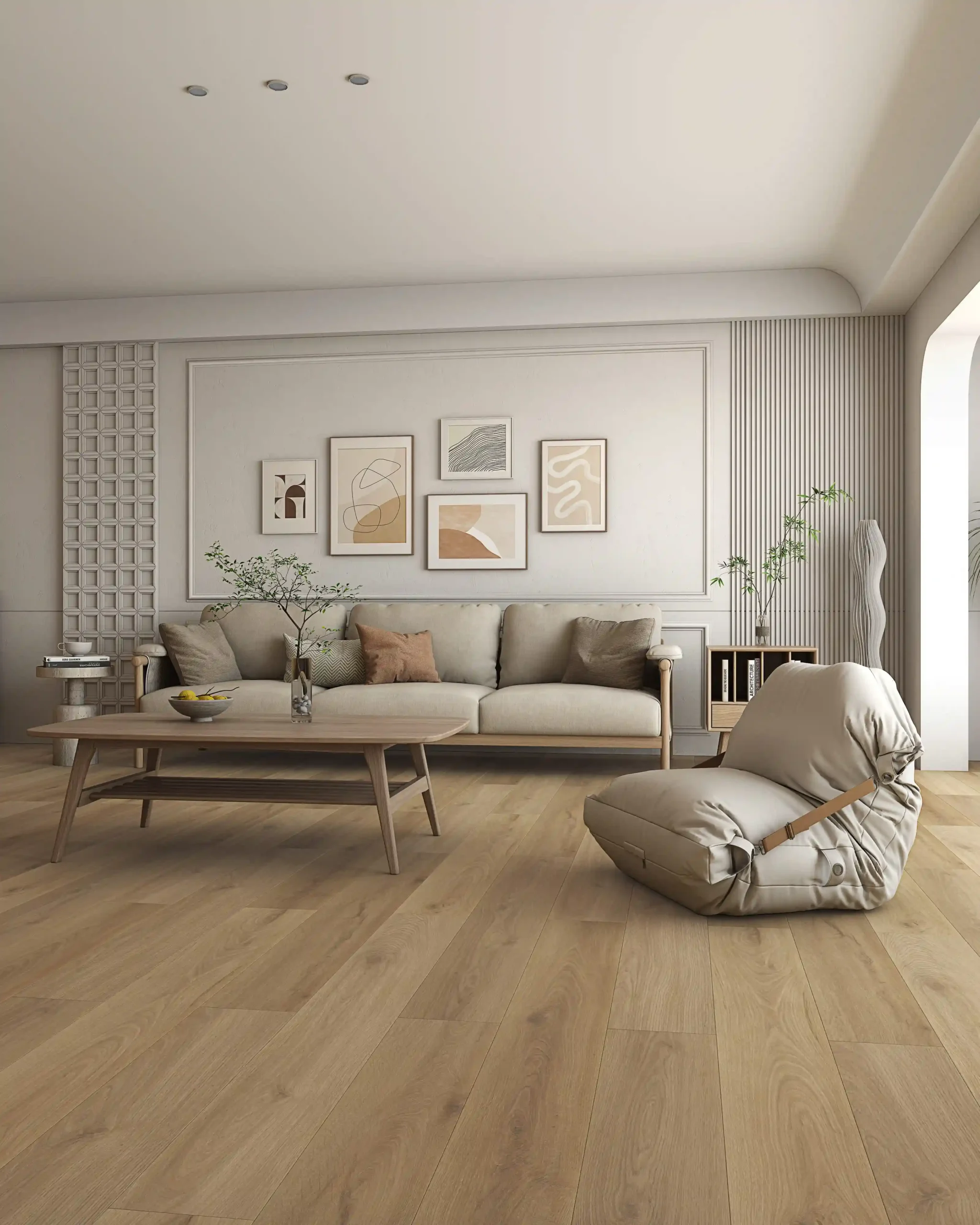
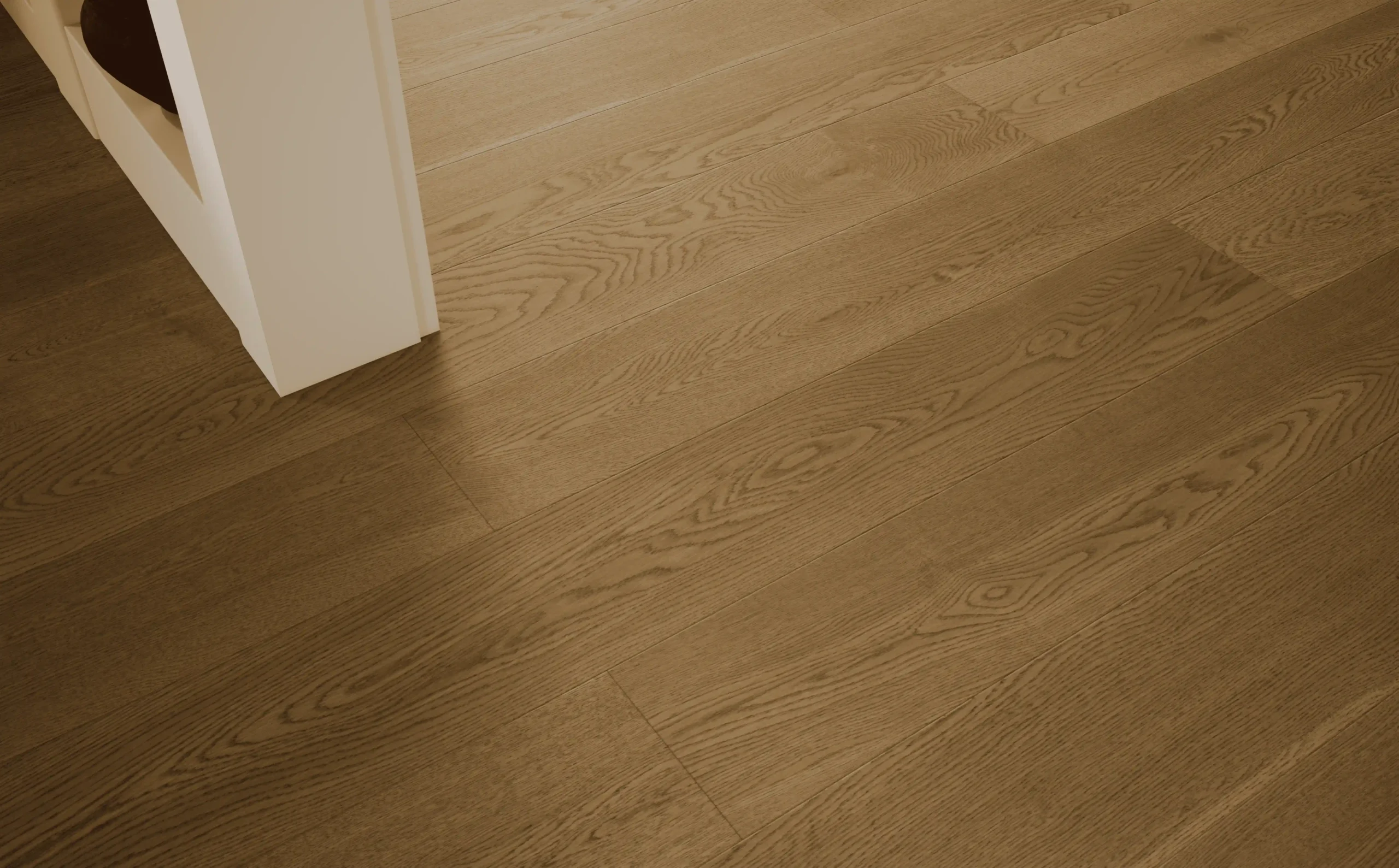
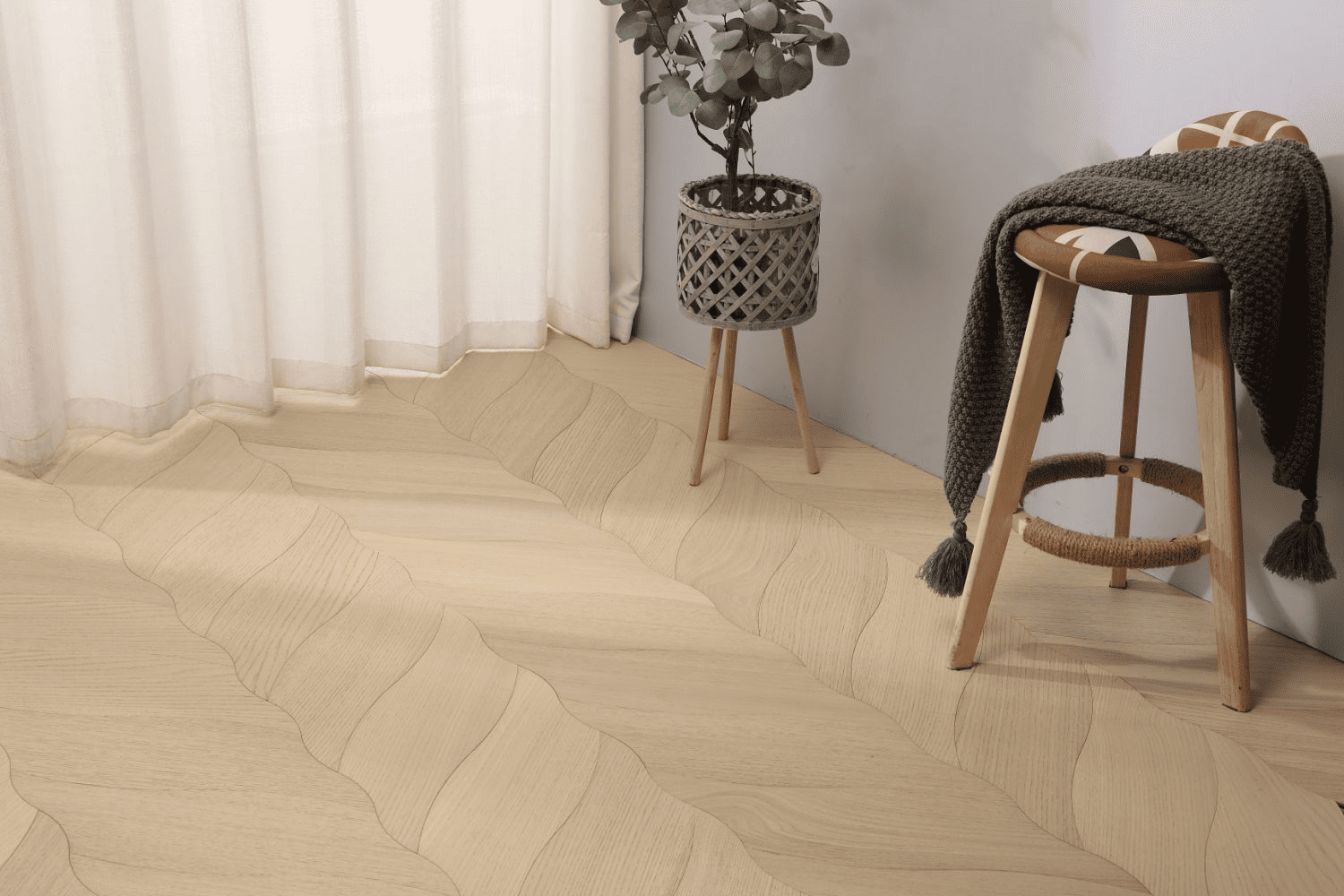

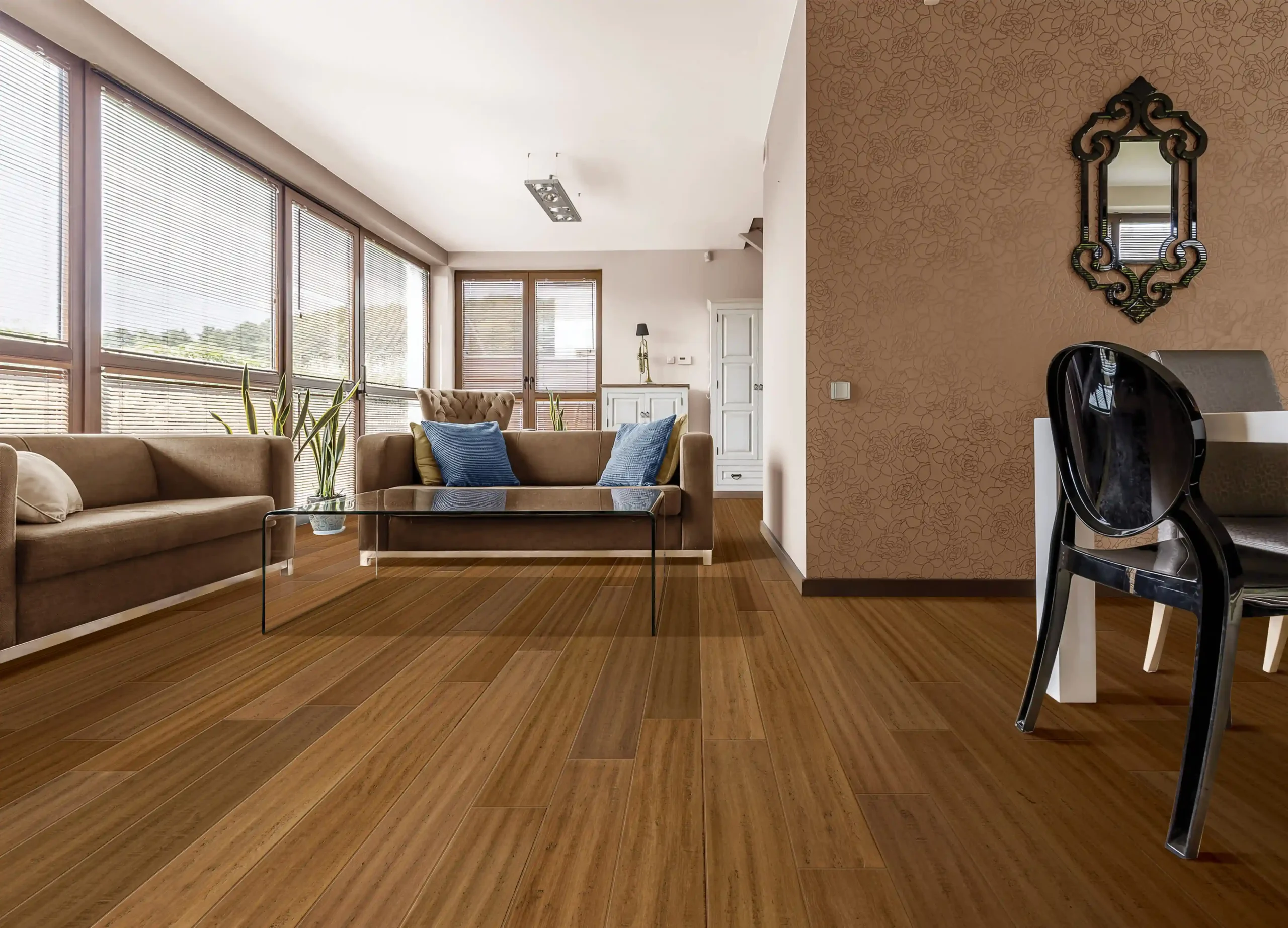


Choosing the right flooring for your home is a crucial decision that can affect your space's aesthetics, functionality, and value. Two popular choices are laminate flooring and tiles, each offering unique benefits and drawbacks. Here are the key differences between these two flooring options to help you make an informed decision. Let's dive in!
Laminate Flooring vs Tiles: Quick Answer
If you're looking for a warm, elegant wood-like appearance with faster installation and a comfortable feel underfoot, laminate flooring is often the better choice for living rooms, bedrooms, and home offices. On the other hand, tiles are better suited for bathrooms, kitchens, balconies, and areas exposed to frequent moisture.
There is no single "best" flooring for every home. The right choice depends on your budget, lifestyle, maintenance preferences, room usage, and local climate. Understanding these factors can help you invest in flooring that performs well for years while matching your home's design.
What is Laminate Flooring?

Laminate flooring is a versatile, synthetic product that simulates the appearance of wood, stone, or other natural materials. It is composed of multiple layers, including a protective wear layer. This high-resolution photographic layer mimics the look of natural materials, a core layer made of high-density fiberboard, and a backing layer for stability.
Advantages of Laminate Flooring
- Affordability: Laminate flooring is generally more budget-friendly than many types of natural materials. It offers the look of wood or stone without the high price tag.
- Easy Installation: With its click-lock design, laminate wooden flooring is easy to install, making it a popular choice for DIY enthusiasts. You can have a new floor in a matter of days, not weeks.
- Durability: Laminate is resistant to scratches, dents, and stains, making it an excellent choice for high-traffic areas and homes with pets or children.
- Variety of Styles: Thanks to advanced printing technology, laminate flooring comes in a wide range of designs and colors, allowing you to achieve almost any look you desire.
Disadvantages of Laminate Flooring
- Moisture Sensitivity: Laminate flooring can be susceptible to moisture damage if not properly sealed. It is not recommended for areas with high humidity or frequent water exposure, such as bathrooms.
- Limited Lifespan: While durable, laminate flooring has a shorter lifespan compared to some other materials, like tiles. It may need replacing after 10-20 years, depending on use and maintenance.
- Sound: Laminate can be noisy underfoot, although this can be mitigated with underlayment.
What are Tiles?

Tiles are hard-wearing, versatile materials made from ceramic, porcelain, or natural stone. They come in various sizes, shapes, and colors, offering a plethora of design possibilities. Tiles are commonly used in kitchens, bathrooms, and entryways due to their water resistance and durability.
Advantages of Tile Flooring
- Water Resistance: Tiles are highly resistant to water and humidity, making them ideal for wet areas like bathrooms, kitchens, and laundry rooms.
- Durability: Tile flooring can last for decades with proper care. It’s resistant to scratches, stains, and heavy foot traffic, making it suitable for both residential and commercial use.
- Aesthetic Appeal: Tiles come in a variety of styles, from classic to contemporary. Whether you prefer the natural look of stone or the sleek finish of porcelain, there's a tile to match your taste.
- Increased Home Value: High-quality tile flooring can increase the resale value of your home due to its durability and timeless appeal.
Disadvantages of Tile Flooring
- Cost: Tiles can be more expensive than laminate, especially when considering installation costs. Professional installation is often recommended due to the complexity of the process.
- Cold and Hard: Tile surfaces can be cold and hard underfoot, which may not be ideal in colder climates or for areas where comfort is a priority.
- Installation Complexity: Installing tiles requires precision and expertise, which can increase the overall cost if you hire professionals.
Best Flooring for Different Rooms
Choosing flooring based on how each room is used often leads to better long-term performance.
| Room | Best Option | Why? |
|---|---|---|
| Living Room | Laminate Flooring | Warm appearance and comfortable feel |
| Bedroom | Laminate Flooring | Softer underfoot and quieter |
| Dining Room | Laminate Flooring | Elegant wood aesthetics |
| Home Office | Laminate Flooring | Reduced walking noise |
| Kitchen | Tiles | Better suited for frequent spills |
| Bathroom | Tiles | Excellent water resistance |
| Balcony | Tiles | Suitable for outdoor exposure |
| Laundry Area | Tiles | Handles moisture effectively |
Also Read; Types of Wooden Flooring – Infographic by Lamiwood Designer Floors
Which Flooring Should You Choose?
| If You Want... | Recommended Flooring |
|---|---|
| Natural wood appearance | Laminate Flooring |
| Budget-friendly renovation | Laminate Flooring |
| Warm and comfortable flooring | Laminate Flooring |
| Faster installation | Laminate Flooring |
| Bathrooms | Tiles |
| Kitchens | Tiles |
| Outdoor spaces | Tiles |
| Maximum water resistance | Tiles |
| Easy replacement of damaged planks | Laminate Flooring |
Who Should Choose Laminate Flooring?
Laminate flooring is an excellent choice for homeowners who want the appearance of natural wood without the higher cost or maintenance associated with solid hardwood. It is particularly suitable for:
- Families with children who need a durable surface for everyday activities.
- Pet owners looking for scratch-resistant flooring.
- Apartment owners seeking a quieter and more comfortable flooring option.
- Homeowners renovating living rooms, bedrooms, or home offices.
- People who want faster installation with minimal disruption.
When installed correctly and maintained according to the manufacturer's recommendations, quality laminate flooring offers an attractive balance of style, durability, and affordability.
Who Should Choose Tiles?
Tiles are ideal for spaces where water exposure and heavy-duty performance are top priorities. They are generally recommended for:
- Bathrooms and shower areas.
- Kitchens where spills are frequent.
- Utility rooms and laundry areas.
- Balconies and outdoor spaces.
- Commercial areas with high moisture exposure.
Tiles also perform well in regions with consistently hot weather, as they naturally remain cooler underfoot.
Read Also: How to Choose the right Laminate Flooring
Comparing Laminate and Tile Flooring
Installation
- Laminate Flooring: Offers a straightforward installation process, often requiring no glue or nails due to its click-lock system. It's a great option for those looking to save on installation costs and time.
- Tiles: Installation is labor-intensive and requires proper subfloor preparation, adhesive application, and grouting. Mistakes during installation can lead to issues like uneven surfaces or cracks.
Maintenance
- Laminate Flooring: Requires regular sweeping and occasional damp mopping. It's important to avoid excessive water during cleaning to prevent damage.
- Tiles: Relatively low maintenance, tiles can be easily cleaned with water and mild detergent. However, grout lines may require periodic sealing and cleaning to prevent staining.
Laminate Flooring vs Tiles in Indian Climate
India experiences diverse weather conditions, so flooring performance can vary depending on the location.
- North India: During winters, laminate flooring feels warmer and more comfortable than tiles.
- Coastal regions: Areas with high humidity require proper installation and moisture control, regardless of flooring type.
- Hot regions: Tiles remain naturally cooler, making them a popular choice in kitchens and outdoor spaces.
- Apartments: Laminate flooring often helps reduce footstep noise compared to tiles.
Regardless of the location, proper installation, moisture management, and routine maintenance play a major role in the long-term performance of any flooring.
Comfort and Feel
- Laminate Flooring: Generally warmer and softer underfoot compared to tiles. It can mimic the look of natural wood, adding a cozy feel to your space.
- Tiles: While durable, tiles can be hard and cold, which might not be as comfortable in living spaces. Area rugs can be used to add warmth and comfort.
Environmental Impact
- Laminate Flooring: Some laminate options are made from recycled materials, making them a more eco-friendly choice. However, the manufacturing process involves synthetic materials and adhesives.
- Tiles: Ceramic and porcelain tiles are made from natural materials and are generally considered environmentally friendly. Natural stone tiles, however, require quarrying, which has environmental implications.
Cost Considerations
When comparing costs, it's essential to factor in material and installation expenses.
- Laminate Flooring: Typically, laminate is less expensive than tiles. The cost-effective nature of laminate flooring makes it an attractive option for budget-conscious homeowners. Additionally, the DIY-friendly installation can save on labor costs.
- Tiles: While the material cost of tiles can vary widely, they are generally more expensive than laminate. The professional installation requirement further adds to the price, but this investment can pay off in the long run due to its longevity and durability.
Choosing the Right Flooring for Your Space
Consider Your Lifestyle
When deciding between laminate and tile flooring, consider your lifestyle and specific needs. If you have a busy household with pets and children, laminate flooring might be the better choice due to its durability and ease of installation. However, if you're looking for a long-lasting, water-resistant option for a bathroom or kitchen, tiles are the way to go.
Think About Design and Aesthetics
Both laminate and tiles offer a wide range of wooden flooring design options. If you're drawn to the warmth and texture of wood but want an easy-care solution, laminate provides a convincing wood look. On the other hand, if you're aiming for a sleek, modern design or a rustic stone appearance, tiles offer unparalleled versatility.
Evaluate Your Budget
Your budget will play a significant role in your decision. While laminate is more affordable upfront, tiles can add value to your home and offer better durability in high-moisture areas. Consider the long-term benefits and costs associated with each option before making a final choice.
Common Mistakes to Avoid When Choosing Flooring
Many homeowners focus only on appearance or price when selecting flooring. Consider these common mistakes before making your decision:
- Choosing flooring without considering room usage.
- Ignoring product quality and warranty.
- Selecting flooring based only on initial cost instead of long-term value.
- Overlooking professional installation requirements.
- Not checking moisture conditions before installation.
- Forgetting to consider future maintenance needs.
Evaluating these factors early can help prevent unnecessary repairs and improve the overall lifespan of your flooring.
Expert Recommendation
If your priority is creating a warm, inviting living space with a premium wood-inspired appearance, laminate flooring is often the preferred option for living rooms, bedrooms, and home offices. For areas exposed to frequent water, such as bathrooms and kitchens, tiles remain the more practical choice.
Many modern homes successfully combine both flooring types by using laminate flooring in dry living spaces and tiles in wet areas, balancing aesthetics with functionality.
Conclusion
Both laminate flooring and tiles have distinct advantages, and the best choice depends on where the flooring will be installed and how the space is used.
Choose laminate flooring if you value a natural wood appearance, a comfortable walking surface, and quicker installation for dry interior spaces such as living rooms and bedrooms. Choose tiles when water resistance and durability in wet areas are your highest priorities.
For many modern homes, a combination of laminate flooring in living areas and tiles in moisture-prone spaces offers the ideal balance of style, comfort, and practicality.
Also Read; Emerging Trends in Laminate Flooring Texture Design
Frequently Asked Questions
It depends on the room and your priorities. Laminate flooring offers a wood-like appearance, greater comfort underfoot, and quicker installation, while tiles provide superior water resistance for wet areas.
Both flooring types can provide many years of service when properly installed and maintained. Longevity depends on product quality, installation standards, room conditions, and regular care.
Yes. Quality laminate flooring is widely used in Indian homes, particularly in living rooms, bedrooms, and home offices. Choosing the appropriate product and ensuring professional installation are key to long-term performance.
In many cases, laminate flooring can be installed over existing tile flooring if the surface is level, structurally sound, and prepared according to the manufacturer's installation guidelines.
Individual laminate planks can often be replaced more easily than damaged tiles, depending on the installation system and the availability of matching materials.
Laminate flooring generally provides a warmer and more comfortable walking surface than tiles, making it a popular choice for living spaces and bedrooms
For a free consultation, reach out at 91+9999500117 Or drop us an email at Info@lamiwood.in