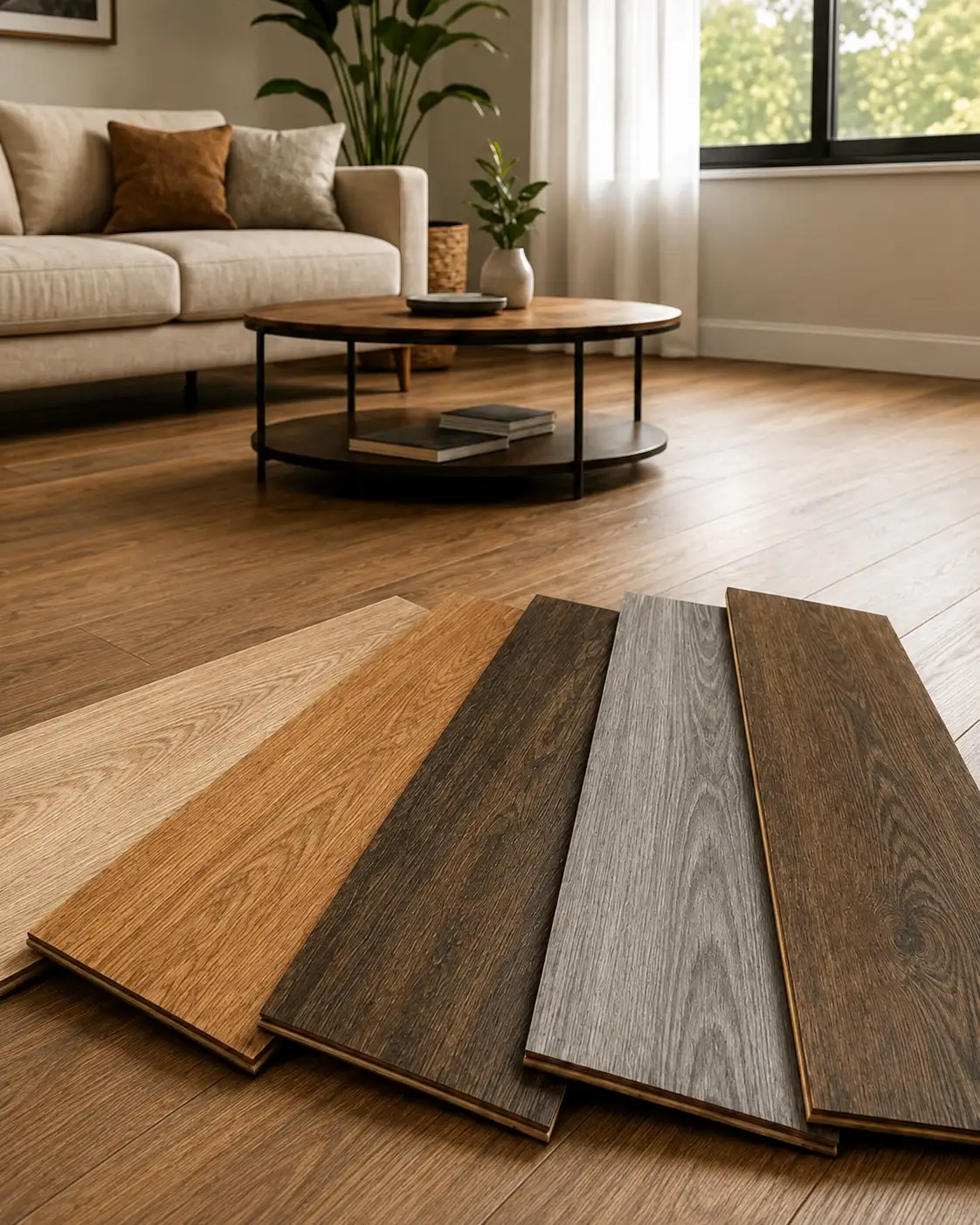



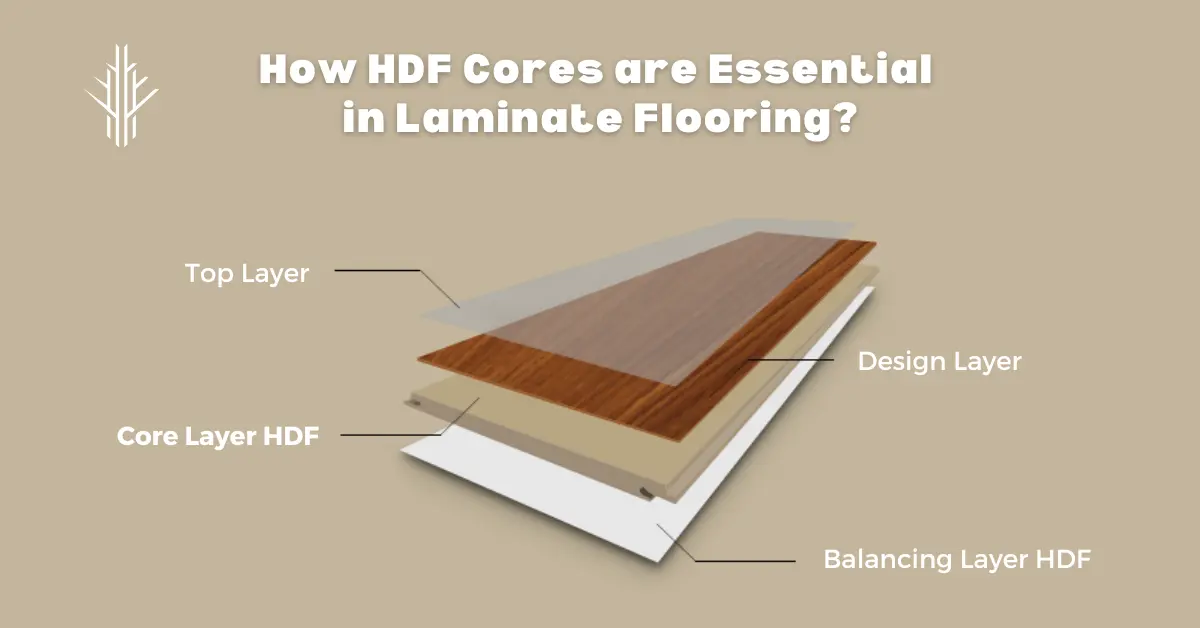
Laminate wood flooring has become a popular flooring option for homeowners and business owners alike. This type of floorboards is a budget-friendly and versatile option that mimics the look of real wood flooring. It consists of four layers that work together to create a durable and beautiful surface option. The top layer is a clear protective layer, followed by a decorative layer that gives it its wood-like appearance. Beneath that is the core layer, and the bottom layer is a backing layer that provides additional support and moisture resistance. The core layer is an essential part of laminate flooring, and high-density fiberboard (HDF) is the best material for this layer. Here we will explore the reasons why HDF cores are essential in laminate wood flooring.
What is a High-Density Fiberboard?
High-density fiberboard (HDF) is a type of fiberboard made from wood fibers that are compressed under high pressure and heat. The result is a dense and sturdy material that is more robust than other types of fiberboard. HDF is an excellent material for laminate wood floors because it is strong, stable, and durable. It has a higher density than medium-density fiberboard (MDF) and is more resistant to moisture and humidity.
Why Core Density Matters in Laminate Flooring
While many buyers focus on the surface design of laminate flooring, the real strength lies inside the plank. The density of the HDF core plays a major role in determining how the floor performs over time.
High-density HDF cores generally have a density of around 900 kg/m³ or higher, making them stronger and more resistant to moisture compared to lower-density boards. The tightly compressed fibers leave fewer gaps for water to penetrate, helping the flooring maintain its shape even in changing environmental conditions.
A higher core density also offers:
- Better moisture resistance
- Lower expansion and contraction
- Improved dimensional stability
- Stronger click-lock joints
- Longer floor lifespan
This is one of the reasons premium laminate flooring manufacturers invest heavily in engineering dense and stable HDF cores.
Benefits of High-Density Fiberboard Cores in Laminate Floorings
Stability
HDF cores provide stability to laminate floors. High-Density Fiberboard is a dense material that does not expand or contract with changes in temperature and humidity. This means that the laminate floor will not buckle or warp over time, making it a long-lasting and durable floorboard option. The stability of High-Density Fiberboard cores is essential for high-traffic areas and rooms with fluctuating temperatures and humidity levels, such as basements and bathrooms.
Durability
HDF cores are also incredibly durable. The high density of the material makes it resistant to wear and tear, scratches, and dents. This is an essential characteristic for floors, as it will be subject to daily use and abuse. HDF cores ensure that the floor base will last for many years without needing to be replaced.
Moisture Resistance
High-Density Fiberboards are more moisture-resistant than other types of fiberboard, such as MDF. This is because the material is denser, and the fibers are tightly packed together. Moisture can cause fiberboard to swell and weaken, but HDF is less susceptible to this type of damage. Moisture resistance is crucial for flooring, especially in areas such as kitchens, bathrooms, and basements where water spills and humidity levels are higher.
Also Read: Exploring the Beauty of Laminate Flooring Texture
Noise Reduction
HDF cores can also reduce noise levels in laminate woodblocks. The density of the material absorbs sound, preventing it from echoing through the room. This is an important consideration for homes and businesses where noise levels need to be minimized, such as apartments or offices.
Easy Installation
High-density fiberboard cores make laminate wood flooring easy to install. The material is lightweight and can be cut to size easily. This means that the flooring can be installed quickly and efficiently, reducing the time and labor costs associated with the installation process.
Why HDF Core is Especially Important for Indian Homes
In many Indian homes, floors are regularly cleaned using wet mops, and humidity levels can fluctuate significantly across seasons.
These conditions make the core quality of laminate flooring extremely important.
A high-density HDF core absorbs less moisture, offers better dimensional stability, and reduces the chances of swelling or deformation caused by humidity changes.
This makes HDF-based laminate flooring a practical choice for homes looking for durability along with aesthetics.
HDF vs MDF: Which Core is Better for Laminate Flooring?
Although both HDF and MDF are engineered wood products, they perform very differently when used as flooring cores.
| Feature | HDF | MDF |
|---|---|---|
| Density Above | 800-900 kg/m³ | 600-800 kg/m³ |
| Strength | Higher | Moderate |
| Moisture Resistance | Better | Lower |
| Durability | Excellent | Moderate |
| Locking System Strength | Strong | Relatively weaker |
| Ideal Use | Laminate Flooring | Furniture and Interior Panels |
Because laminate flooring experiences daily foot traffic, pressure, and occasional spills, HDF is generally considered the preferred core material due to its superior strength and moisture resistance.
Discover More: How to Install Wooden Flooring: A Complete Guide
Environmental Friendliness
High-density cores are an environmentally friendly option for laminate floors. The material is made from recycled wood fibers and is free from harmful chemicals. This makes it a sustainable choice for homeowners and businesses looking to reduce their carbon footprint.
How to Identify High-Quality HDF Laminate Flooring
Choosing laminate flooring involves more than selecting a beautiful design. The quality of the HDF core can significantly impact long-term performance.
When evaluating laminate flooring, consider these factors:
1. Check the Core Density
A denser HDF core generally offers better stability and moisture resistance. Premium flooring often uses HDF cores close to or above 900 kg/m³.
2. Examine the Locking System
A strong click-lock mechanism relies heavily on the strength of the HDF core. Well-engineered locking systems help prevent gaps and loose joints over time.
3. Review the Wear Layer
The wear layer protects the decorative surface from scratches, stains, and daily wear. A high-quality wear layer improves durability and maintains the appearance of the floor.
4. Look for Moisture Resistance Features
If the flooring will be installed in kitchens or other moisture-prone spaces, selecting a floor with a moisture-resistant HDF core can provide better long-term performance.
Know More: HDF Laminate Flooring? Importance And Advantages
Conclusion
In conclusion, HDF cores are essential in wooden flooring. The stability, durability, moisture resistance, noise reduction, easy installation, and environmental friendliness of HDF make it the best material for the core layer of laminate wood flooring. When choosing laminate flooring, it is important to consider the quality of the core layer, and HDF is the best choice. Our laminated wooden floors offer impressive authenticity that recreates the look and feel of real hardwood while remaining a great cost-effective solution for every budget.
Frequently Asked Questions About HDF Laminate Flooring
Yes. HDF is denser and stronger and offers better moisture resistance than MDF, making it more suitable for flooring applications.
Premium laminate flooring commonly uses HDF cores with densities around 900 kg/m³ or higher, providing improved durability and moisture resistance.
Yes. Due to its high density and strong internal structure, HDF flooring performs well in living rooms, hallways, offices, and commercial spaces with regular foot traffic.
HDF offers better moisture resistance than MDF because its fibers are compressed more tightly, reducing water absorption and swelling.
For a free consultation, reach out at 91+9999500117 Or drop us an email at Info@lamiwood.in