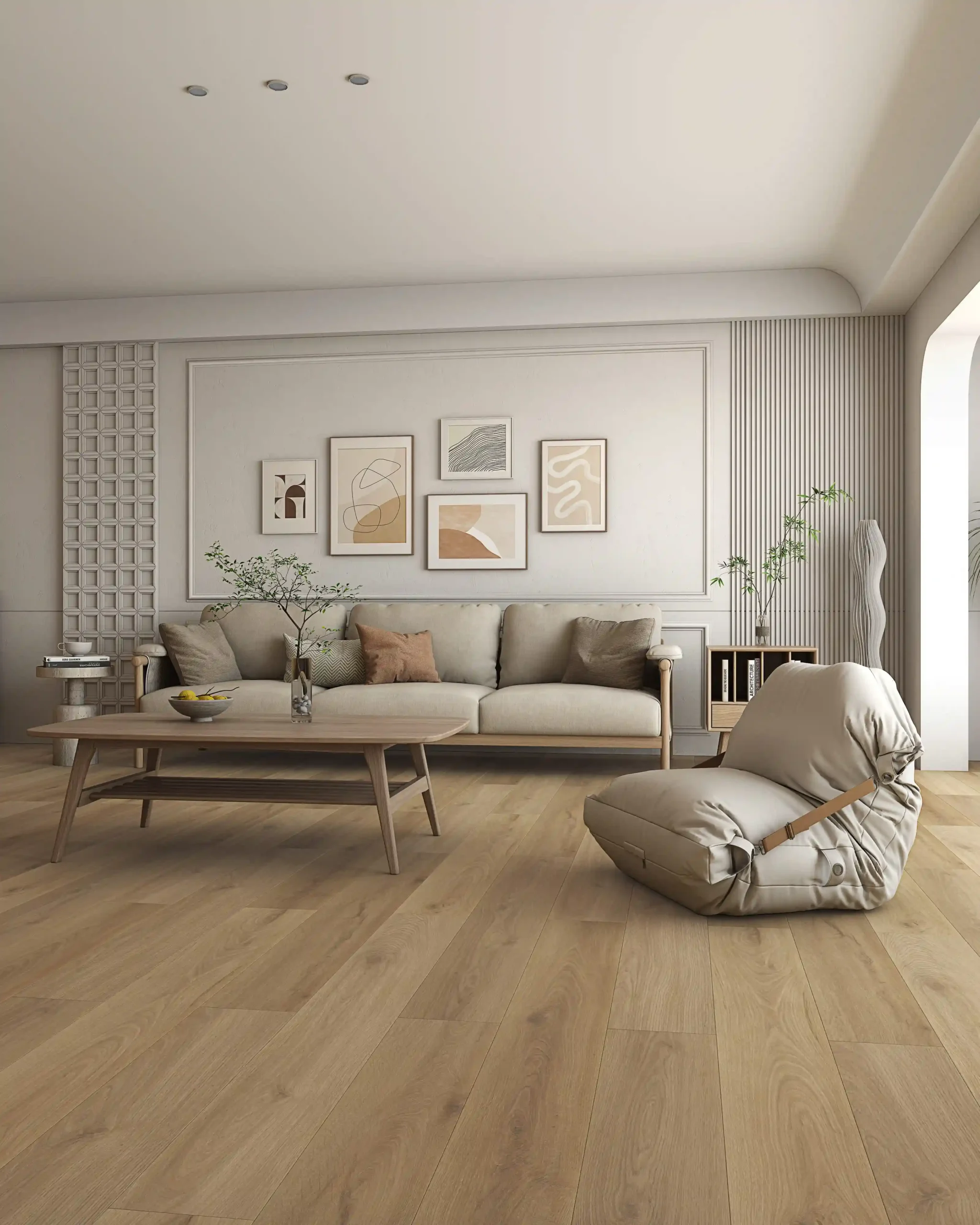

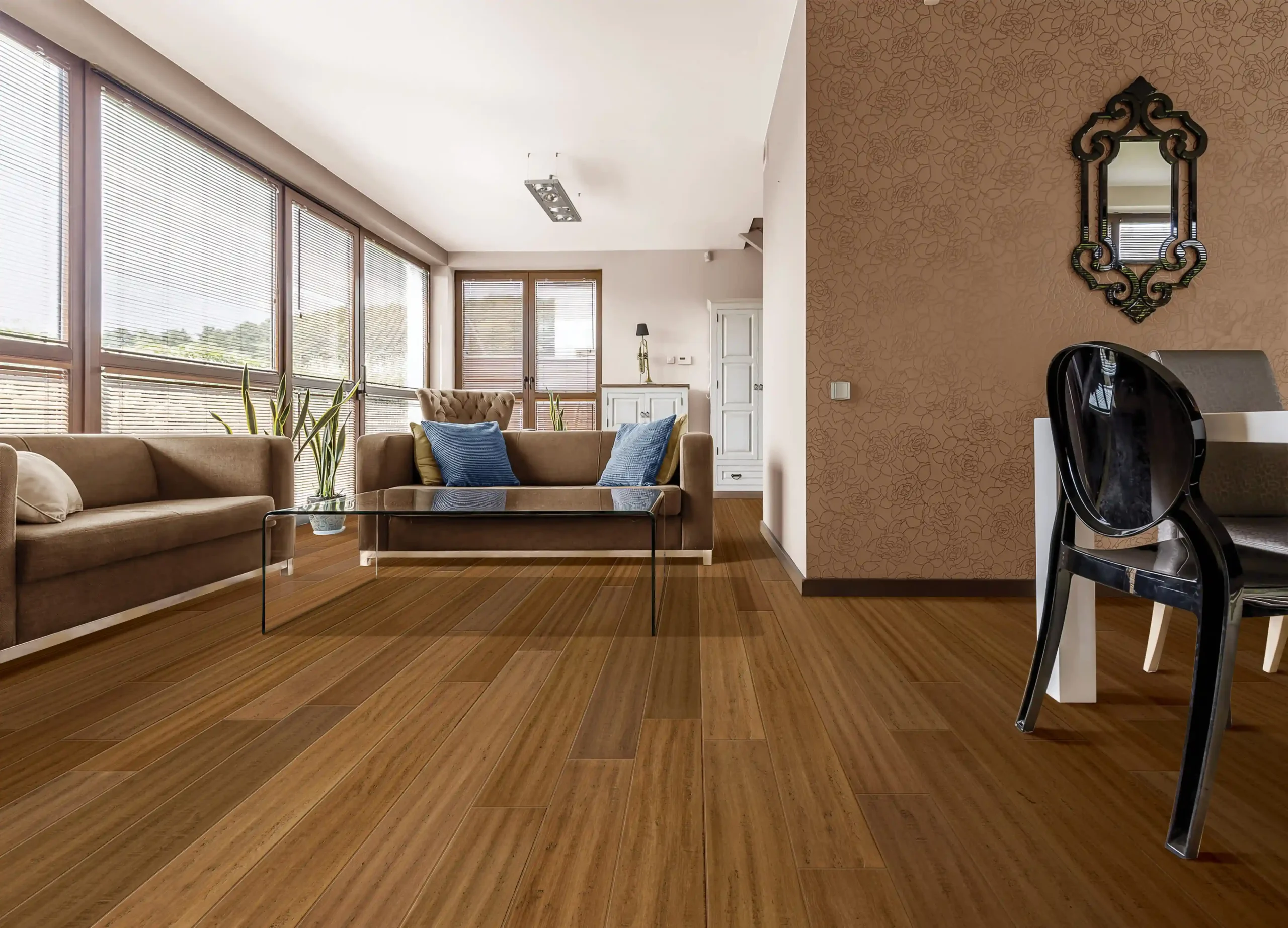


Let’s talk about hardwood flooring. It’s timeless, elegant, and instantly transforms any space. But let’s face it—solid hardwood isn’t always practical, especially in homes where moisture or heavy foot traffic is a concern. That’s where engineered wood flooring steps in to save the day.
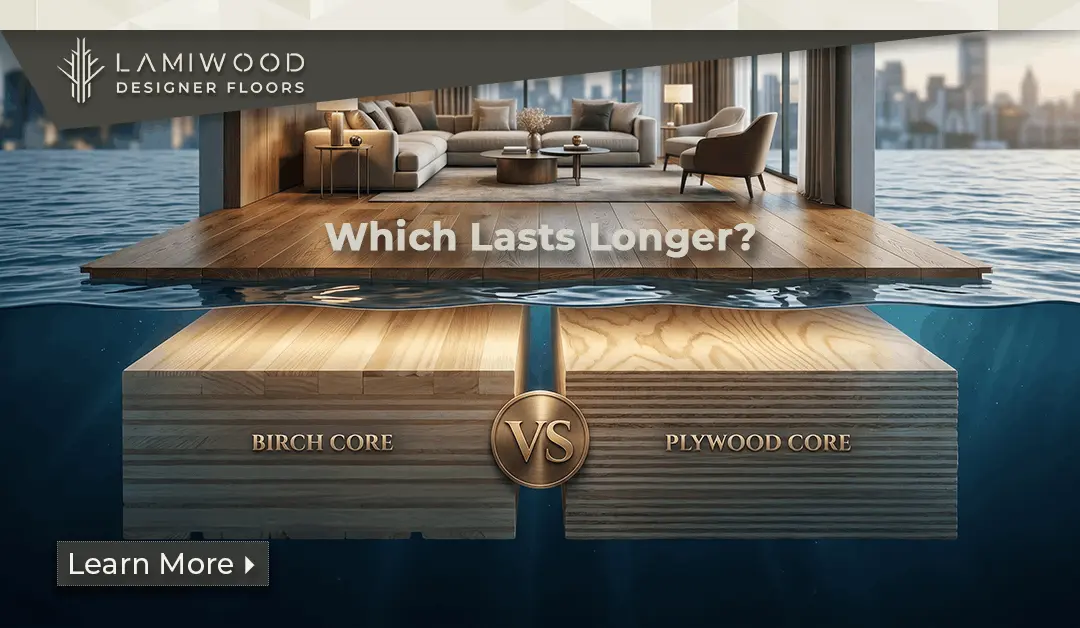
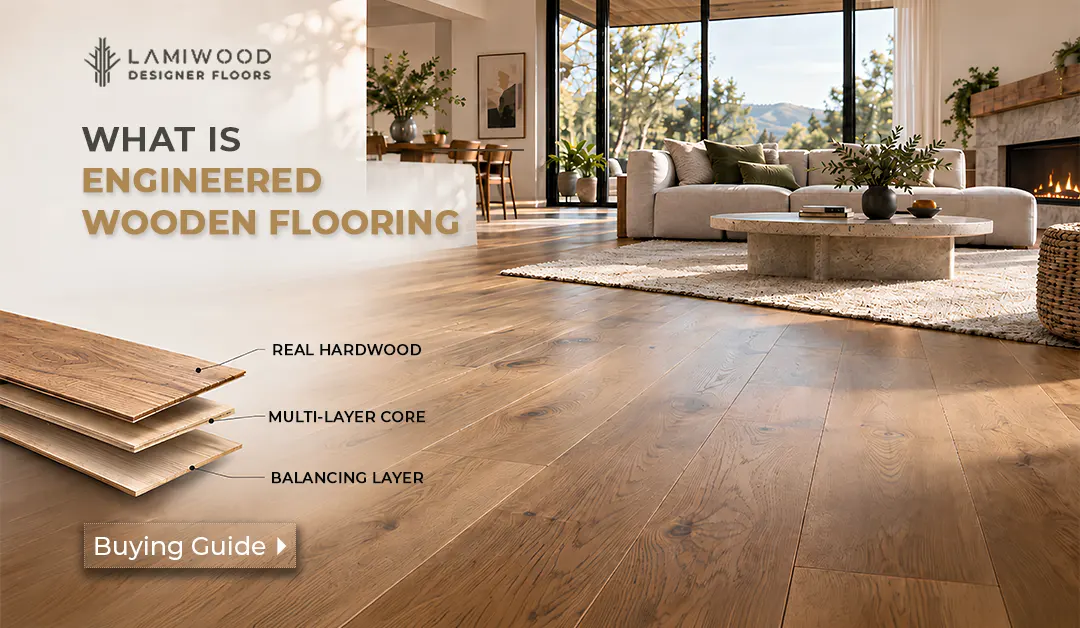
So, what exactly is engineered hardwood flooring? Think of it as the best of both worlds: the charm of solid wood combined with modern technology. It’s made of multiple layers—usually plywood or high-density fiberboard (HDF) as the core—topped with a real hardwood veneer. This clever construction makes it more stable, moisture-resistant, and ideal for places where traditional solid wood might struggle to perform.
Here is a breakdown of the types of engineered hardwood floors, their benefits, how long they last, and even how to install them—all in a super simple, conversational way. Let’s get started.
Types of the Best Engineered Hardwood Floors
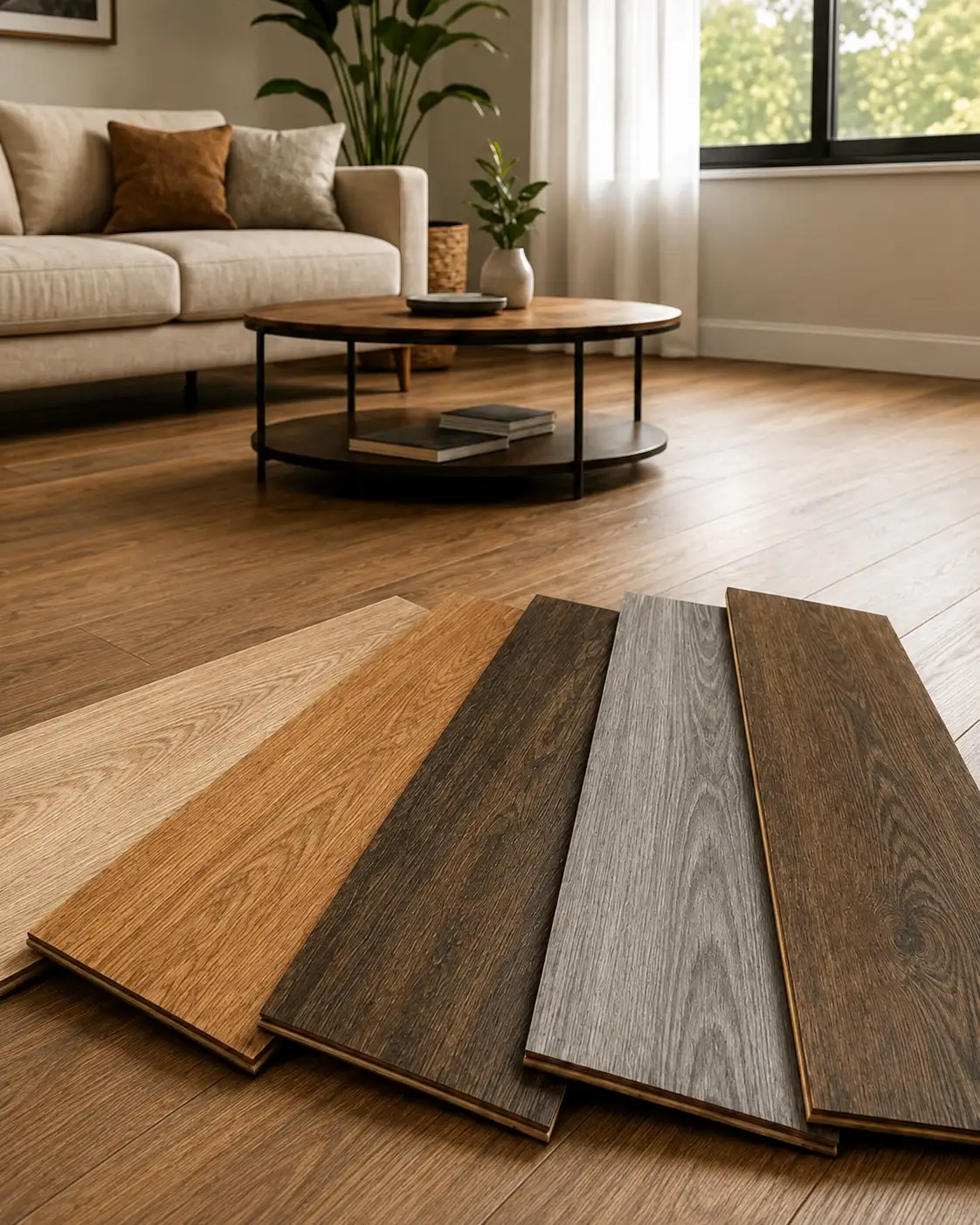
One of the best things about engineered hardwood? You’ve got tons of choices! From light maple to rich walnut, there’s a style for everyone. Here are some of the most popular types:
1. Maple Engineered Hardwood Flooring
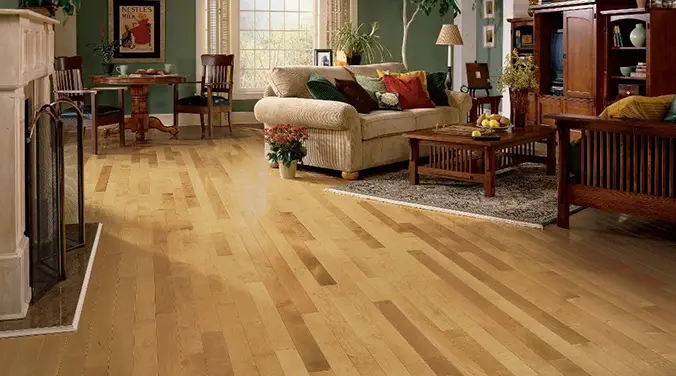
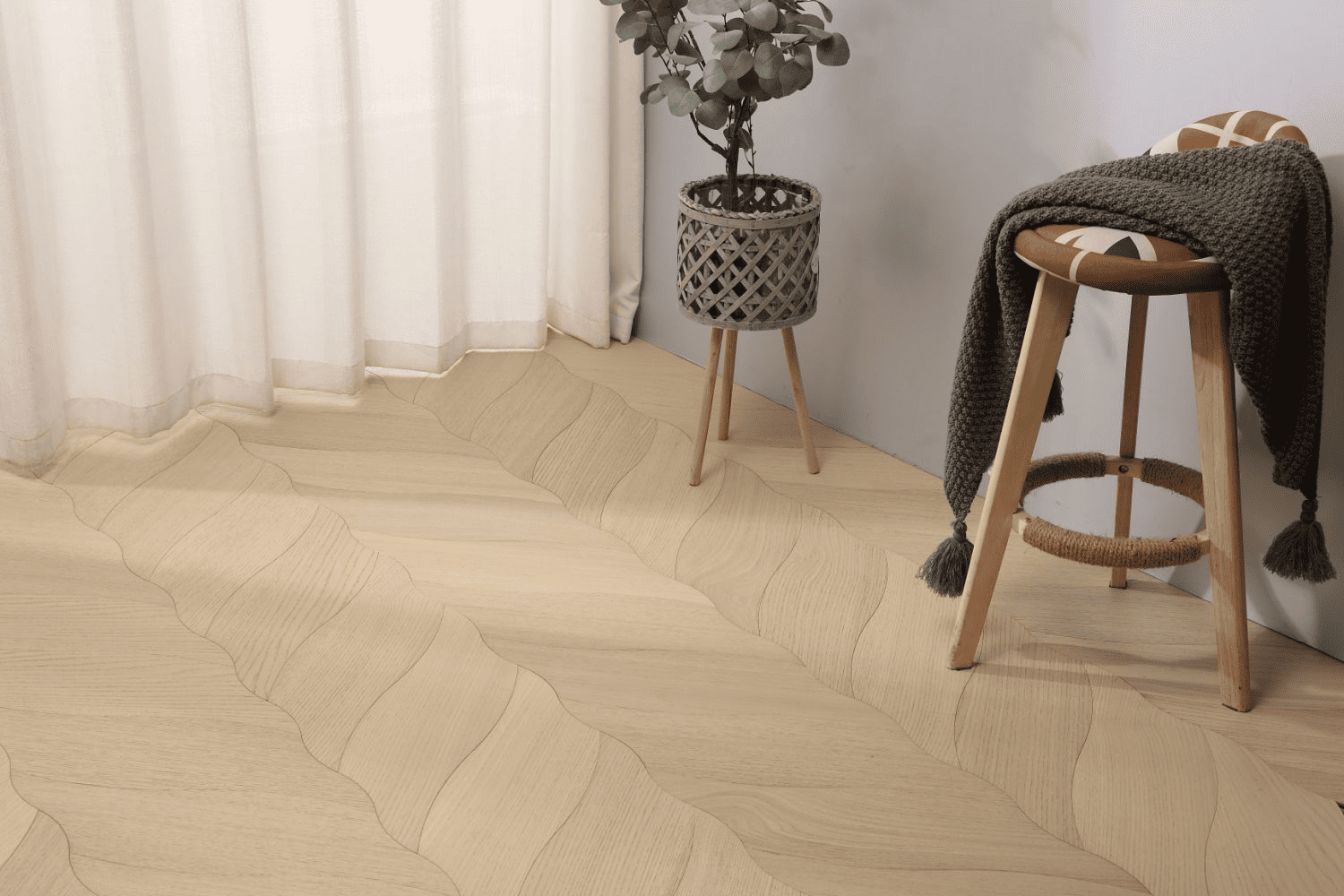
Maple is the superstar for contemporary homes. It has a smooth, clean look with subtle grain patterns that brighten up any room—perfect if you’re a fan of modern and minimalistic interiors. Oh, and did I mention it’s super durable? Bring on the high foot traffic!
Why you’ll love it:
- Light and neutral tones
- Tough and resilient
- Great for modern spaces
2. Oak Engineered Hardwood Flooring
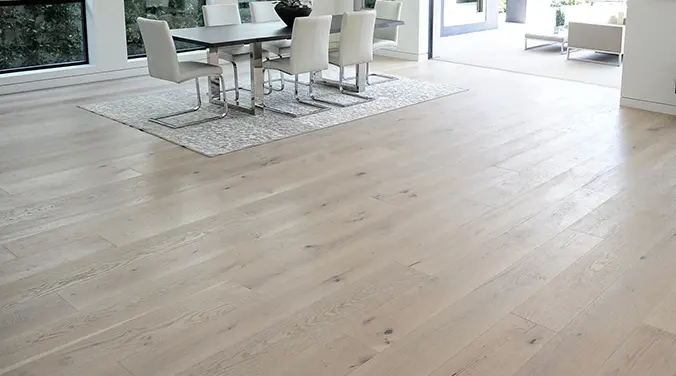
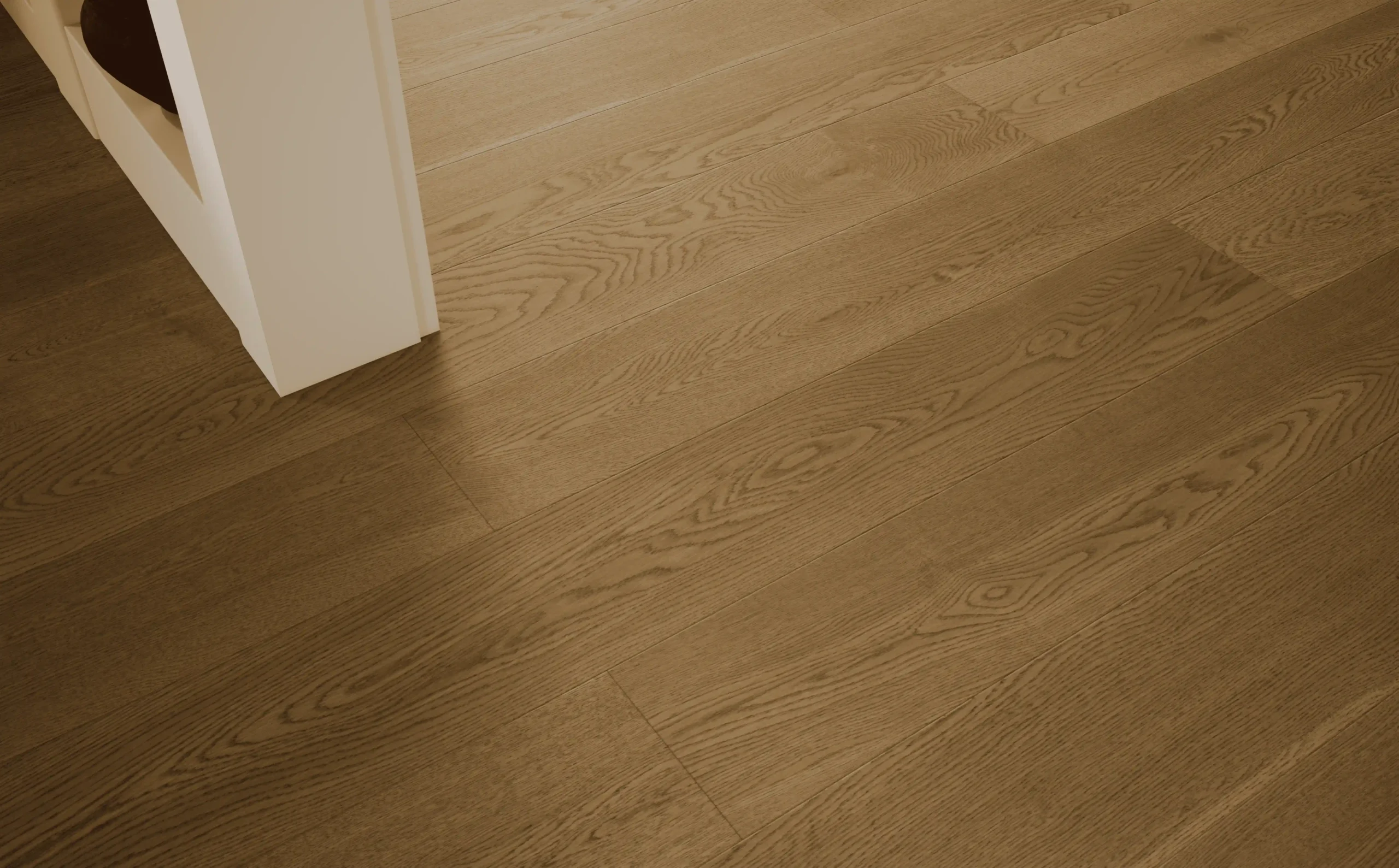
Engineered oak flooring is the go-to classic. It comes in two varieties: red oak (warm, inviting tones) and white oak (neutral with a hint of gray). If you love strong grain patterns and a floor that can withstand time, oak is your best bet.
Why you’ll love it:
- Timeless and versatile
- Distinct grain patterns
- Super durable
3. Beech Engineered Hardwood Flooring
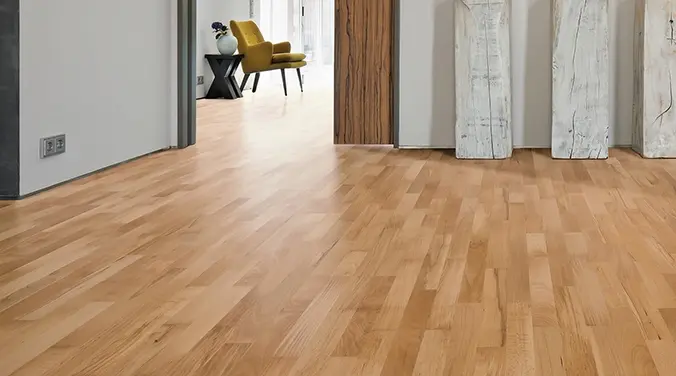
Looking for something warm and welcoming? Beech is your answer. Its smooth, fine grains and cozy tones make it perfect for bedrooms, living rooms, or even home offices. Plus, it’s durable enough to handle day-to-day life.
Why you’ll love it:
- Cozy and warm appearance
- Smooth, subtle grains
- Highly stable and long-lasting
4. Walnut Engineered Hardwood Flooring
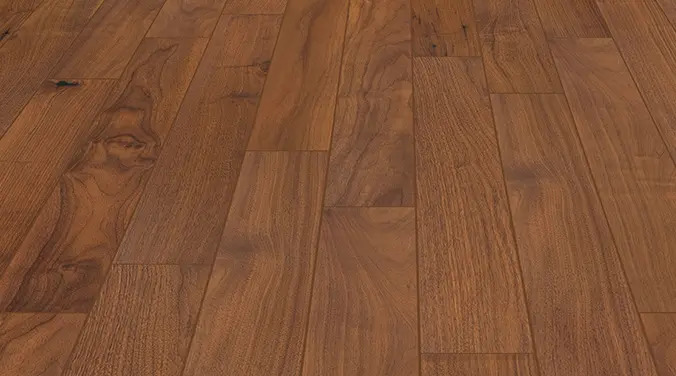
Walnut flooring is all about luxury. Its rich, dark tones instantly make any space look sophisticated and bold. While it’s slightly softer than oak, it’s still durable enough for rooms with less foot traffic, like studies or formal dining areas.
Why you’ll love it:
- Bold, dark tones for luxury vibes
- Sophisticated and elegant
- Ideal for quieter spaces
Also Read: Different Types of Wooden Flooring
Why Choose Engineered Hardwood? The Top Benefits
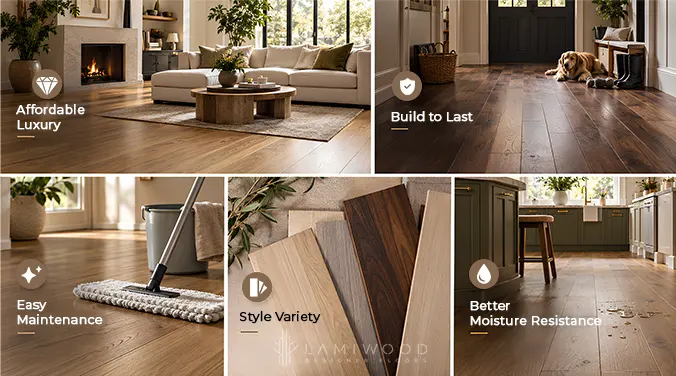
If you’re still on the fence, let’s run through some reasons why engineered hardwood is such a smart choice.
1. It Won’t Break the Bank
Engineered hardwood looks and feels like solid wood but comes at a more affordable price. The layered construction keeps costs down while still delivering that authentic wood look you love.
2. Built to Last
Thanks to its sturdy design, engineered hardwood resists warping, shrinking, or buckling—even when the humidity changes. This makes it perfect for kitchens, basements, and other areas where solid wood might struggle.
3. Easy-Peasy Maintenance
Who has time for complicated cleaning routines? With engineered hardwood, regular sweeping or vacuuming does the trick. Add a damp mop now and then, and you’re golden!
Pro Tip: Avoid soaking the floor with too much water or using harsh chemicals. A little care goes a long way!
4. Tons of Style Options
Light and airy maple? Classic oak? Bold walnut? You’re spoiled for choice when it comes to engineered hardwood. Plus, you can choose from different plank sizes, finishes, and textures to suit your style.
5. Better at Handling Moisture
Unlike solid wood, engineered hardwood is more resistant to moisture and humidity. That’s why it works so well in kitchens, basements, and even bathrooms where traditional wood wouldn’t stand a chance.
How Long Does Engineered Hardwood Flooring Last?
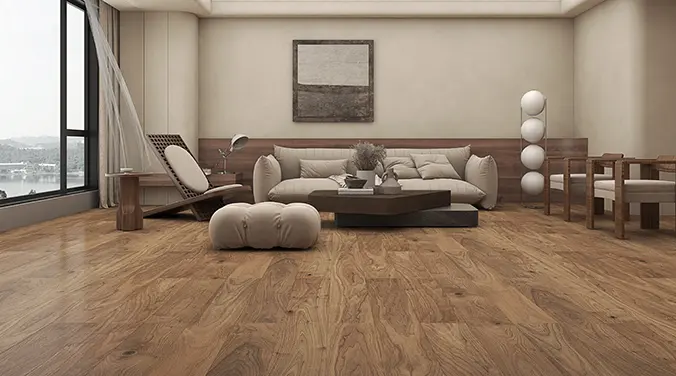
Now for the million-dollar question: how long will it last? Well, with the right care, engineered hardwood can easily give you 20 to 30 years of beauty underfoot.
Here’s the deal:
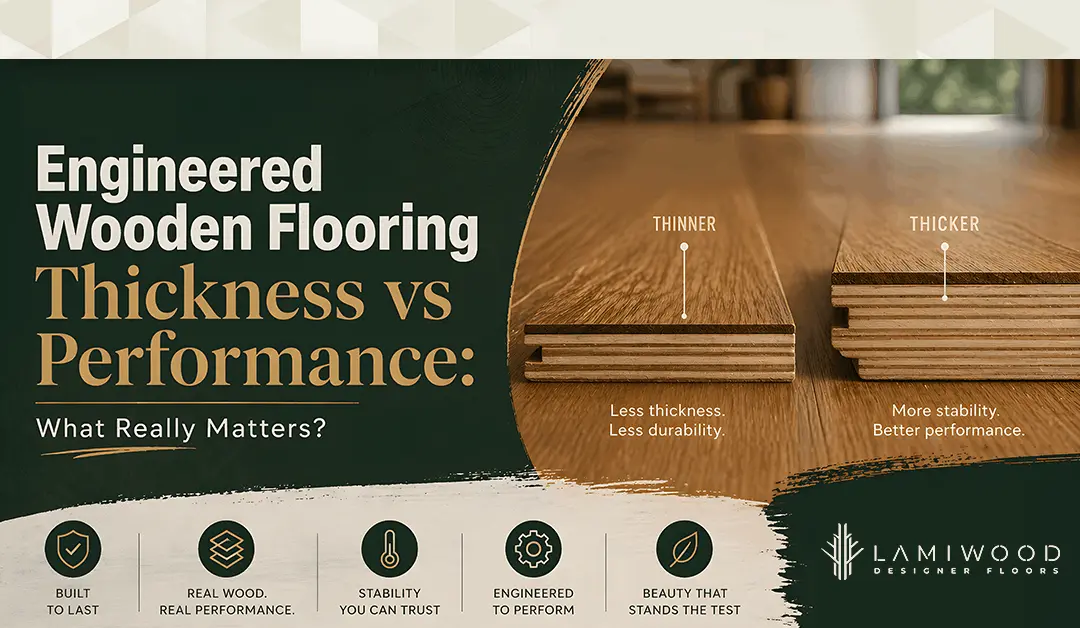
High-quality engineered hardwood with a thick top layer (3-6mm) can be sanded and refinished multiple times. These floors can last 30+ years!
- Standard-engineered hardwood with a thinner veneer (1-2mm) lasts around 20 years, but refinishing options are limited.
- If you clean up spills quickly, add rugs to high-traffic zones, and treat your floors with care, they’ll reward you with years of lasting beauty.
How to Install Engineered Hardwood Flooring (It’s Easier Than You Think!)
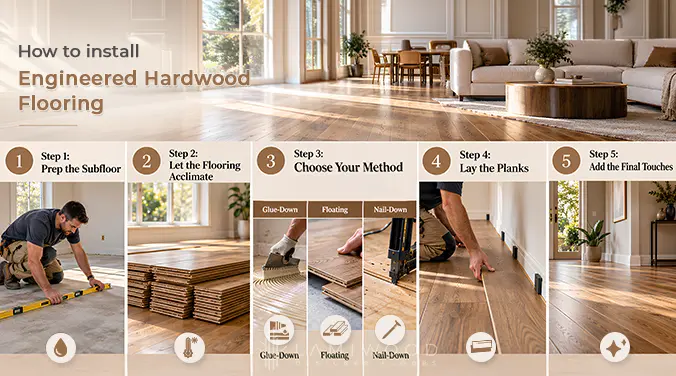
Thinking of installing it yourself? Here’s a quick and easy guide to get you started. Or, if DIY isn’t your thing, you can always hire a pro!
Step 1: Prep the Subfloor
Make sure your subfloor is clean, dry, and level. Fix any moisture issues before you begin—trust me, you don’t want surprises later!
Step 2: Let the Flooring Acclimate
Leave the planks in the room for at least 48 hours. This helps them adjust to the temperature and humidity.
Step 3: Choose Your Method
Engineered hardwood can be installed in three ways:
- Glue-Down Method: Use adhesive to secure the planks directly to the subfloor.
- Floating Method: Planks click together and "float" over the subfloor—no glue needed!
- Nail-Down Method: Nail or staple the planks onto a wooden subfloor.
Step 4: Lay the Planks
Start along the longest wall and stagger the planks for a natural look. Use spacers to maintain a small expansion gap around the edges.
Step 5: Add the Final Touches
Once you’re done, install baseboards or moldings to cover any gaps. Give the floor a quick clean, and you’re good to go!
Also Read: 10 Benefits Of Engineered Wood Flooring
Wrapping It Up
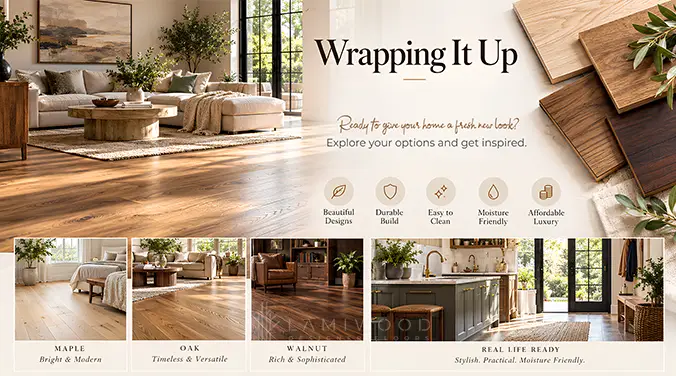
Engineered hardwood flooring is the perfect blend of beauty, durability, and practicality. Whether you love light maple, classic oak, or rich walnut, there’s a design that fits your vibe. Plus, it’s affordable, easy to clean, and can handle moisture better than traditional wood.
So, if you’re looking to upgrade your space with a flooring solution that’s as stunning as it is smart, engineered hardwood is the way to go. Ready to give your home a fresh new look? Explore your options and get inspired!
For a free consultation, reach out at 91+9999500117 Or drop us an email at Info@lamiwood.in